“A lot of writing from abroad has this kind of ‘eat your vegetables’ feel. Like, ‘Here Are the Five Things You Need to Know About China Today.’ And then you’re done. You’ve had your broccoli,” says European Press Prize-winning journalist Madeleine Schwartz ’12 (a former Ledecky Undergraduate Fellow at this magazine). Her new online publication, The Dial, wants to add more flavor. Dubbed “the world’s little magazine,” it features locally sourced writing from around the globe, and aims to be warm, often funny, poetic, and above all, conversational—like an international phone call with a chatty friend.
“What we’re trying to avoid is essentially the long-running model of magazine writing in English, which is someone who knows nothing about a place shows up, spends two weeks there, misunderstands everything, and comes back with a bunch of cliches,” she says from her apartment in Paris. Readers need to learn about global events from the people who know about them. “There’s not really any issue we are looking at these days that isn’t an international one,” she says, from climate change and inequality to the rise of the far right. “English-language media was really missing a kind of internationalism.”
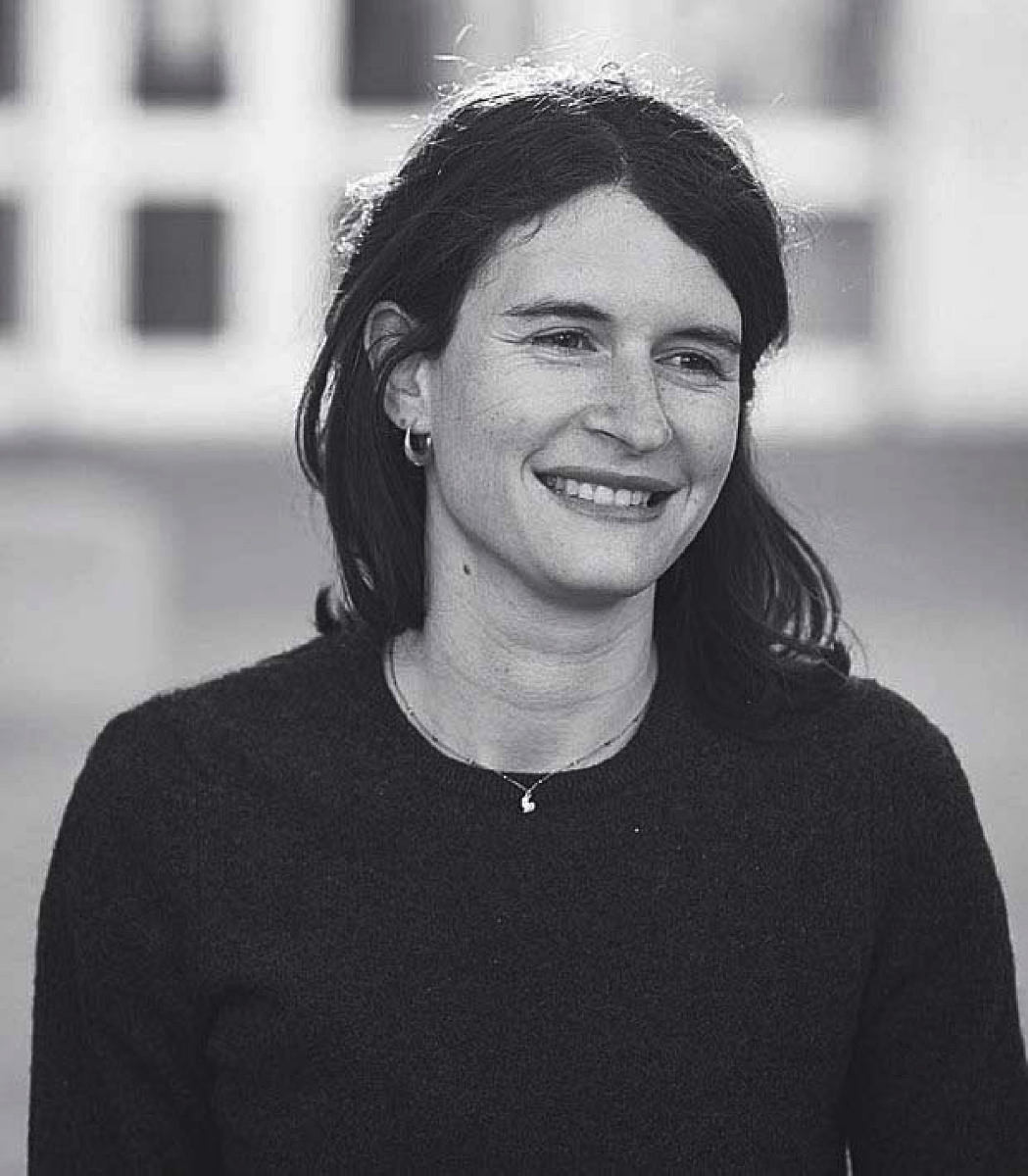
Madeleine Schwartz
Photograph courtesy of Madeleine Schwartz
Since its launch eight months ago, The Dial has published accounts from Ukrainian journalists on the war in both Ukrainian and English; pieces on life in Brazil after former President Jair Bolsonaro’s exit; dispatches from the worldwide literary scene, including one from the German government-funded “houses of literature”; an article on Cambodian microfinance loans; and one on Belgian nuclear power plants and clean energy. It has also co-published with Foreign Policy and The New York Review of Books (where Schwartz was once a staff editor) and has translation agreements to reach Italian and Dutch audiences.
The online magazine takes its name from the original Dial—founded by the Transcendentalists in 1840, revived as a political and literary thought journal in 1880, and re-established as a literary magazine that published the likes of W.B. Yeats and Gertrude Stein in 1920. “We liked the idea that this was a magazine that would publish all the things that needed to be said,” Schwartz says. “We’re carrying on in that spirit.”