
Science
Discover the scientific breakthroughs and engineering innovations being pioneered across Harvard’s labs and centers.

Don’t Call Stephanie Pierce A Paleontologist
From competing in youth gymnastics to studying tetrapods, the Harvard curator has always chased her curiosity.

Joanna Aizenberg
A bioengineer learns from sponges...
Catching Some Rays: Good for Your Heart?
CBS News has the story on a new study, led by Harvard School of Public Health professor Edward Giovannucci, that found that men with low Vitamin D levels had more than double the risk of heart attack...
Update: Chemistry Professor Wins Prize for Imaging Techniques
Professor of chemistry and chemical biology X. Sunney Xie, whose work is detailed in the cover story of our current issue, has won the Berthold Leibinger Research Prize for laser technology...
Treasure in the Genome’s Trash
The Broad Institute of MIT and Harvard often grabs headlines for its discoveries about the genetics underlying such diseases as cancer, heart...

The Aging Brain
Looking at the effects of aging on healthy people's brains...

Could Rock-Weathering Help Solve Climate Change?
Accelerating natural processes presents a potential new CO2 mitigation strategy.
Shedding Light on Life
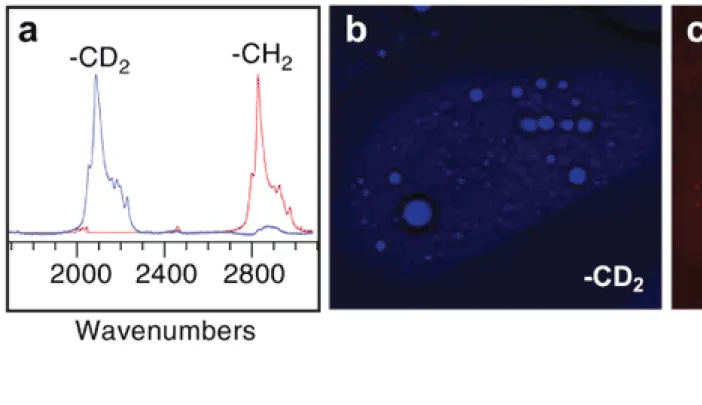
The scenes are familiar from biology textbooks. A long string of DNA is copied to form a matching strand. A virus infects a cell by stealing through its membrane.
Light Makes a Comeback
Today’s high-powered light microscopes bear little resemblance to the iconic instruments of high-school biology labs. This revolution...
Fishing for Answers
Photograph by Ralf-Finn Hestoft Neil Shubin and Tiktaalik In 2005, parents and school officials in Dover, Pennsylvania, were locked in a...
Antibiotics Feed These Bacteria, Instead of Killing Them
It sounds like science fiction, but it's not. A paper published today in the journal Science explains that some bacteria thrive on a diet of antibiotics, instead of dying as previous science predicts they should...