
In the 1968 Class Day speech, Coretta Scott King praised student activism

Two months after her husband’s murder, the civil-rights leader’s widow delivered the 1968 Class Day speech.

Coretta Scott King

Steven Bussard

The Harvard class of 1968 invited Dr. Martin Luther King Jr. to address them on Class Day, and the civil-rights leader accepted. After his assassination on April 4, his widow agreed to speak in his stead. A standing-room-only audience, crammed into Sanders Theatre because of heavy rain, heard Coretta Scott King speak of the need for the younger generations to “hold high the banner of freedom.” Discussing the impact of contemporary student activism from the United States to Czechoslovakia, she declared that the generation gap "is a positive thing if it separates evil ideologies and customs of the past from the freedom spirit that animates much of the contemporary student movement." In struggling to give meaning to their own lives, she told her audience,

you are preserving the best in our traditions and are breaking new ground in your restless search for truth. With this creative force to inspire all of us we may yet not only survive—we may triumph.

Read her complete speech in this PDF from the July 1, 1968, issue of the Harvard Alumni Bulletin.



Most popular

Harvard’s Classics Department Finally Sheds Its ‘The’

A yearslong effort ended with a vote—and a stand against academic snobbery.

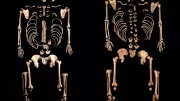
Replacement of Iberian Men 4,000 Years Ago Raises Fresh Questions

Ancient DNA reveals Bronze Age replacement of Iberian men, raising new questions.

Sexual apartheid in medieval England

Cutting-edge science helps historians push further and more fully into the past.

Explore More From Current Issue

Two fans celebrate in front of a TV showing a football game.

A new Harvard Kennedy School project aims to harness the power of feral fandom.

Colorful icons representing sleep, fruit, speech, and a mind with a water lily.

Take this quiz on six healthy habits that Harvard doctors recommend

A woman jogs on a path beside a boy riding a bicycle, surrounded by trees.

Why Harvard Medical School is training physicians to think more like coaches