On Commencement Day, five people received the Harvard Alumni Association's Harvard Medal, awarded annually for outstanding service to the University.
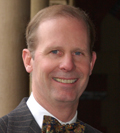
Charles W. Collier

Ellen Gordon
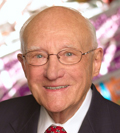
Melvin J. Gordon
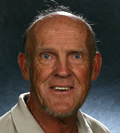
Harry Parker
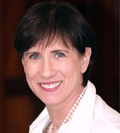
Susan S. Wallach
Charles W. Collier, M.T.S. ’73, is the senior philanthropic advisor at Harvard in the Office of Alumni Affairs and Development. He has guided hundreds of individuals and families in making important financial decisions, and is the author of Wealth In Families.
Ellen (Rubin) Gordon, G ’69, and Melvin J. Gordon are longtime executives at the Chicago-based Tootsie Roll Industries. They are also longtime benefactors of Harvard: the athletic complex’s Murr Center houses the Ellen and Melvin Gordon Conditioning Center (Melvin Gordon was a member of the varsity football team) and Harvard Medical School, where Ellen Gordon is a founding member of the Board of Fellows, renamed the former Building A in their honor as the Ellen R. and Melvin J. Gordon Hall of Medicine. The couple has also contributed “significant current use funds” for molecular biology research.
Harry Parker, Bolles head coach for Harvard men’s crew, is now in his fifty-second year at the University. (Read Harvard Magazine’s 1996 profile.) Parker won the gold medal in the 1959 Pan American Games and placed fifth in the single scull at the 1960 Olympics. Highlights of his career include 21 undefeated regular seasons, 23 EARC Sprints varsity titles, 21 JV Sprints crowns, and eight official national championship victories.
Susan S. Wallach ’68, J.D. ’71, is an attorney who retired from Schulte Roth & Zabel in 2005 and is now a consultant with Anthony Knerr & Associates, strategic advisers to leading universities and nonprofits. A trustee of Radcliffe College during its metamorphosis into the Radcliffe Institute for Advanced Study, she has been a member of the institute’s dean’s advisory council since its inception and is the current chair. Wallach is also a former Harvard Overseer (2005-2011).
The medalists were publicly thanked by President Drew Faust, who read the following citations.
Charles W. Collier: Fearless and faithful fundraiser, you have served Harvard through your deep knowledge of philanthropy, careful diplomacy, and hard work, giving alumni a wealth of planned opportunities to participate in the life of this University and leaving a legacy that has enriched us all.
Ellen R. Gordon and Melvin J. Gordon: As proud parents and partners, you have worked together to advance the University’s mission in medicine, science, health, and athletics; through your outstanding generosity and loyal support, you have made Harvard’s family your own.
Harry L. Parker: Olympian oarsman and Crimson coach, better than the best at what you do, you have led the Harvard Men’s Crew to victory for more than half a century, instilling in your student athletes lessons of courage, determination, and strength that have led to success, not only on the water, but in their lives.
Susan S. Wallach: As Radcliffe trustee, Harvard Overseer, and wise counselor to presidents and deans, you have helped stimulate new connections among Harvard’s myriad people and parts, with special care for the humanities and arts, for law and education, and for the steady advancement of women.