I have a new literary hero, and her name is Mercy Otis Warren. The wife and sister of Harvard graduates, she produced a series of poems and plays in the 1770s promoting the American Revolution, using her sly wit as a weapon. It’s no small feat to persuade your fellow colonists to fight tyranny while also making them smile: in her poem “A Woman’s Trifling Needs,” a screed against colonial women who bought luxury goods from Britain, Warren sniffed at “feathers, furs, rich satins, and ducapes,/And head-dresses in pyramidial shapes.” Her private letters were equal parts genteel and caustic, as Lydialyle Gibson recounts in her portrait of Warren (see page 36). In 1775, imploring her friend John Adams to stop negotiating with King George and get on with the fight, Warren wrote: “You should no longer piddle at the threshold.” This is a phrase I now plan to use in daily life.
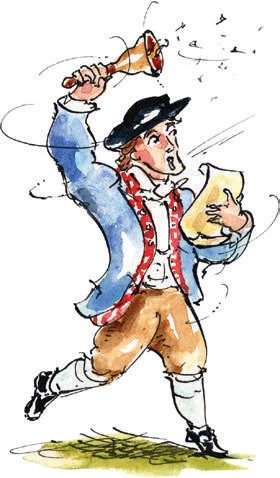
As students and alumni gather in Cambridge this spring for Commencement and Reunion Week, they’ll be surrounded by exhibits and events recalling Warren’s era, and by reminders of Harvard’s deep connection to the ideals and the activities of the Revolution. It was a different time, when the campus consisted of six main buildings, students ate spartan meals and attended daily prayers, and, of course, no women were permitted to enroll. But the values that drove so many graduates toward rebellion against the crown persist at Harvard today: a commitment to scientific inquiry; a drive to learn from the lessons of history; a passion for natural rights, even amid disagreement about the best ways to secure them. These days, when Cambridge feels under siege in a different way, that spirit can be seen in a collective effort—despite strong differences of opinion—to defend Harvard’s autonomy and champion free expression.
This issue of Harvard Magazine devotes extra space to the nation’s 250th anniversary, woven together by the delightful art of Cambridge-based illustrator and sculptor Mark Steele. I hope you enjoy searching the details, on Steele’s cover and beyond, for references to the stories inside. And I hope some of the personalities and artifacts we highlight here remind you that, then as now, Harvard was awash in characters and conundrums, debates and discoveries, passion and poetry.
Joanna Weiss, Editor