Poor bats. For so long, they’ve been maligned and misunderstood. They’ve starred in witchy medieval stories and gothic tales, from Dracula to Batman. They’ve symbolized the depths of evil and the underworld, depicted as blood-sucking, hair-tangling rodents with wings.
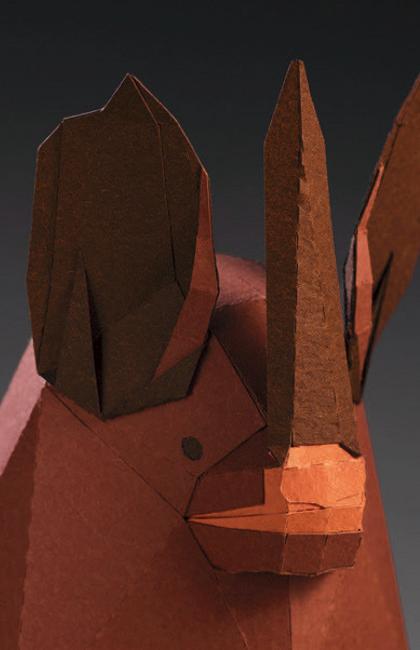
Yet the multi-sensory exhibition “Bats!” (at the Peabody Essex Museum through July 28) strives to change all that. Combining science and art, from historic images to pop-culture memorabilia and interactive games, the show highlights how interesting and benign these flying mammals are, and their crucial role in the ecosystem as pest-eaters. “I’ve really come to appreciate how little people know about bats,” the Robbins director of the museum’s Art & Nature Center Janey Winchell said during an exhibit talk. She learned a lot from her graduate studies in biology. There are some 1,400 species of bats worldwide, only three of which, in Central and South America, feed on blood, mostly from sleeping cattle. Massachusetts is home to nine native species—such as the little brown bat, Eastern small-footed bat, and tricolored bat—but five of them are endangered, primarily because of white-nose syndrome (caused by a fungus), which was found in New York State in the mid 2000s and has since decimated millions of bats across North America. Winchell’s aim is to educate visitors about these intelligent creatures—examining how they’ve been perceived, combating lingering fears—and to encourage their preservation.
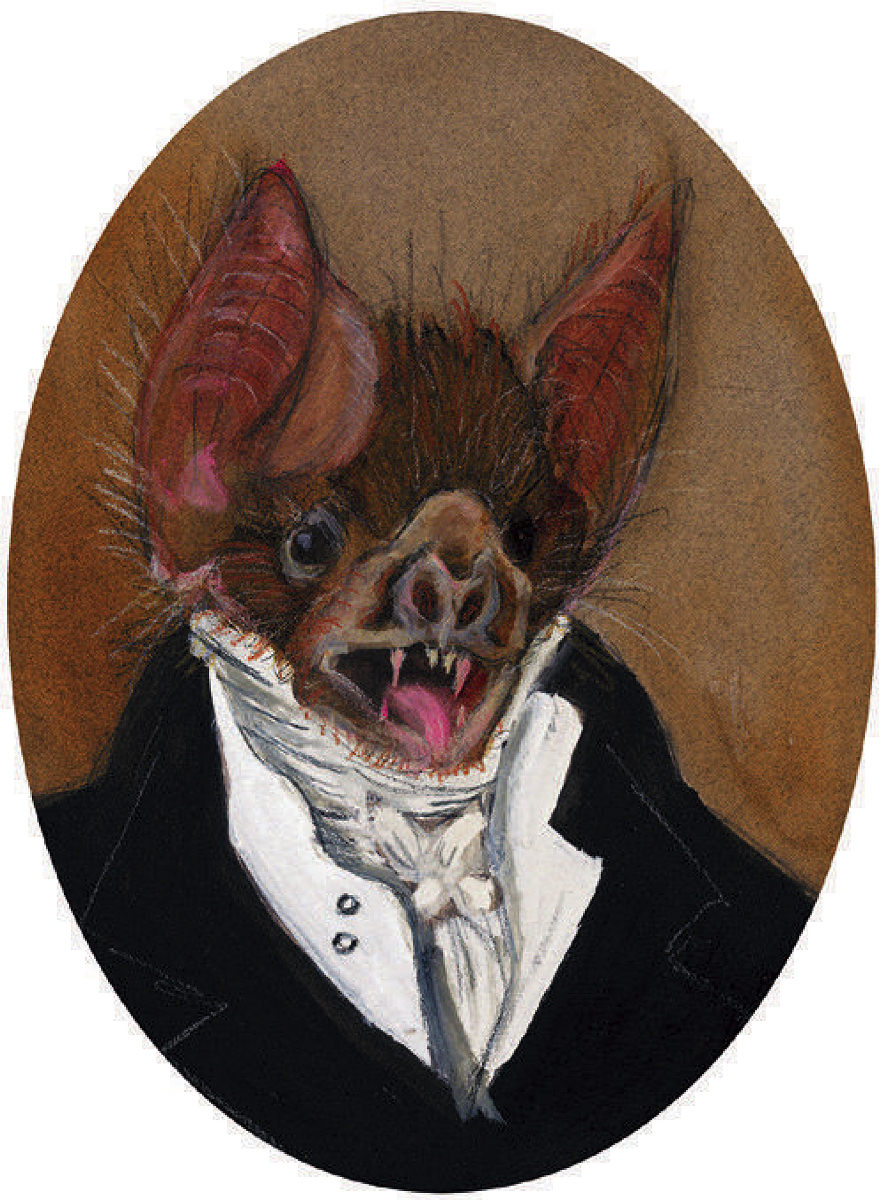
COURTESY OF NICK DEMAKES
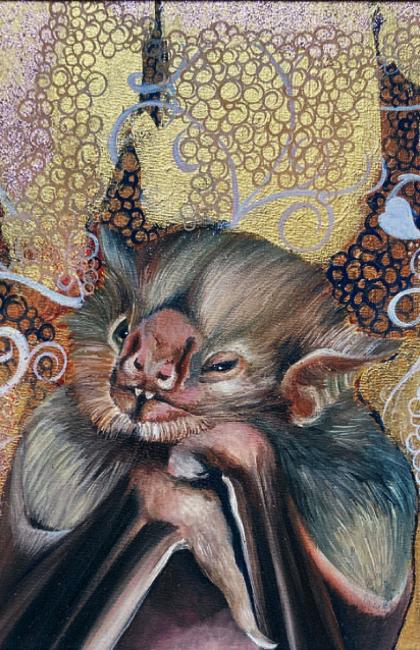
The exhibition opens with a mesmerizing soundscape featuring synthesized and natural sounds, like those of an echolocating common noctule bat. Another section looks back to biblical and medieval interpretations of bats as “unclean” beings associated with the devil. The “Bats!” show explains how Bram Stoker linked the creatures to vampires in his 1897 novel Dracula, and how that connection has stuck. There are also objects from Batman media incarnations, a room packed with origami bats, and a series of contemporary bat portraits and sculptures. The creatures appear cute, even debonair, in Nick Demakes’s “Gentleman Bats” painting series. Resa Blatman’s Small Bat Portrait 1 features a sweetly serene bat, wings folded against a golden light, as a Yoda-like presence. The best part of the show is the hutch of live Egyptian fruit bats, offering visitors the up-close chance to safely commune with the small colony. Watch them eat bananas, groom, roost, and sleep: just innocently going about their batty business.