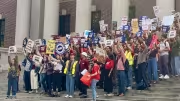
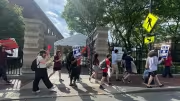
Harvard Magazine welcomed Laurel Shugart ’27 to the editorial staff as the 2026 Summer Fellow. From Commencement week celebrations to the College dean’s launch of a podcast and the opening of the Enterprise Research Campus, she contributed news and feature stories as a full-time member of the staff.
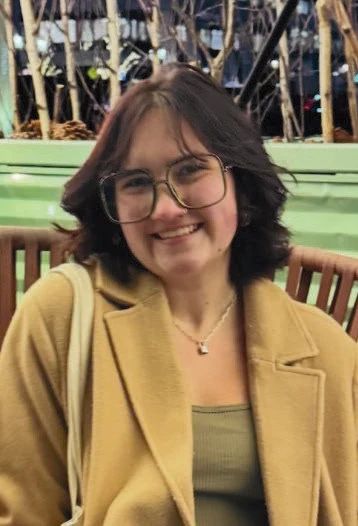
Shugart, a human developmental and regenerative biology and computer science concentrator, is an associate managing editor at the Crimson, where she supervises 20 reporters and helps shape enterprise and breaking news. Her spring 2025 story about Harvard police chief Victor Clay is a deeply reported account of his abrupt departure.
This fall, Annushka Agarwal ’27 and Caroline Hennigan ’28 will join Harvard Magazine as the 2026-2027 Berta Greenwald Ledecky Undergraduate Fellows. Starting with the November-December issue, they will alternate as authors of the Undergraduate column and contribute articles about aspects of Harvard life.
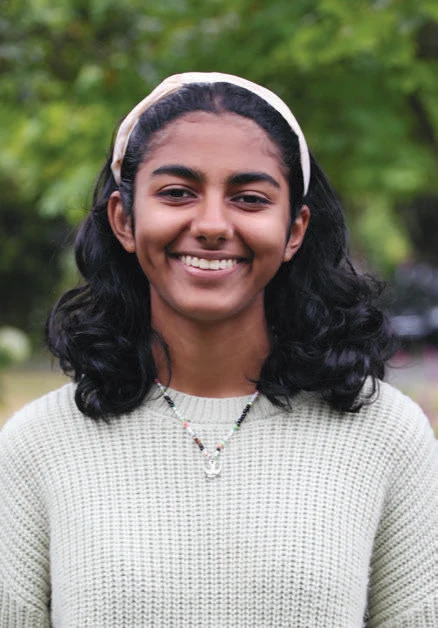 Agarwal, a history and mathematics concentrator from Vancouver, Canada, is a member of the Crimson’s editorial board and a former intern for Canada’s National Post newspaper, where in 2025 she wrote a long-form account of the American draft dodgers who fled to Canada during the Vietnam War. This April, she worked with the University of Toronto’s Investigative Journalism Bureau and co-authored an article examining the causes of maternal and neonatal deaths during childbirth in Canada. She spent this summer as a reporting intern on the foreign affairs desk at The Straits Times, an English-language newspaper in Singapore.
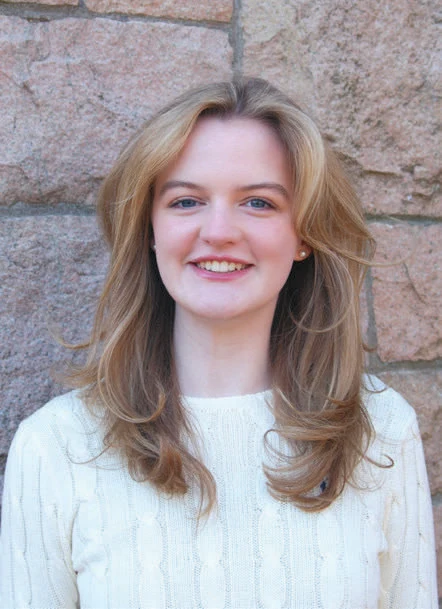 Hennigan, a social studies and government concentrator from Milton, Massachusetts, is a Crimson senior reporter and editor-at-large of the Crimson’s magazine, Fifteen Minutes. Last fall, she co-wrote the story “Could Harvard Have a Hoover Institution?” about a behind-the-scenes push for a conservative think tank at Harvard. This summer, she was a research assistant at the Harvard Center for European Studies, focusing on the political theory of cultural restitution, which involves returning artifacts, artworks, and human remains to their countries and communities of origin.
The fellowships are supported by Jonathan J. Ledecky ’79, M.B.A. ’83, and named in honor of his late mother. For updates on past Ledecky Fellows and links to their work, see harvardmagazine.com/ledecky.