 |
| Archie C. Epps III |
| Jon Chase / Harvard News Office |
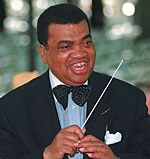
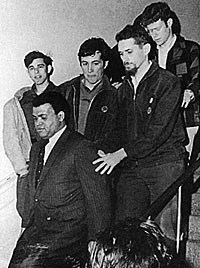
Archie C. Epps III, B.D. '61, Harvard College dean of students from 1971 to 1999, died August 21 of complications from surgery. Often remembered from a photograph that showed him being ejected from University Hall during the 1969 takeover, tie crisply in place, Epps is better known by thousands of alumni for his role in cultivating student organizations, for his leadership on matters of race and diversity, and for his unhurried progresses across the Yard.
 |
| Harvard University Archives |
Jeremy R. Knowles, dean of the Faculty of Arts and Sciences from 1991 to 2002, recalled Epps as "wise but never heavy, helpful but never presumptuous, and principled but never rigid. Passionate about music, and fiercely supportive of the arts in the College, Harvard is a colder place without him." Speaking of his friend, Peter J. Gomes, Plummer professor of Christian morals and Pusey minister in the Memorial Church, said during the funeral service there on September 4, "More than anyone I have ever known in 33 years of service here, I believe that Archie actually believed every word of 'Fair Harvard.'"