A New Threat to Cocoa Production
A study of crop yields in tropical cocoa-growing regions finds that increasing bouts of drought and deluge pose a substantial threat to cocoa harvests. Researchers led by Anna Lea Albright ’17, A.M. ’17, and professor of environmental science and engineering Peter Huybers combined decades of cocoa production records with daily weather data from Ghana, Ecuador, and Indonesia. They found that unusually heavy rain during flowering and early pod development was consistently associated with lower yields. In Ghana, heavy wet-season rain together with dry-season drought explained nearly 70 percent of year-to-year variation in production.
Heavy rain can disrupt pollination, interfere with pod development, and encourage fungal diseases. Drought matters more in drier regions, while excessive rain dominates in wetter ones, suggesting that climate-risk planning for cocoa should focus not simply on rising temperatures or average rainfall, but on rainfall extremes, which are expected to intensify as the climate warms.
A Nasal Vaccine Booster for Older Lungs
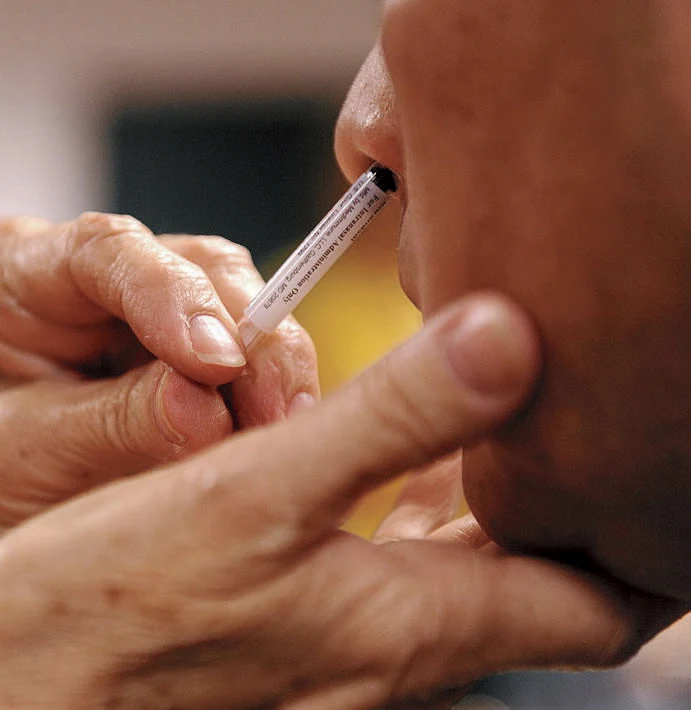
Respiratory diseases are the ones most likely to drive rapid spread among humans, and vaccines are the best way to prevent infection. But with aging, immune responses triggered by vaccination weaken. Scientists at Massachusetts General Hospital, led by professor Mei X. Wu, have developed an experimental nasal vaccine booster to overcome that age-related weakening in the lungs’ immune defenses. In aged mice, the treatment temporarily activated immune cells lining the lungs, shifting them to a more youthful state: antigen-presenting cells increased, antibody and T-cell responses improved, and certain immune-suppressing cells were reduced in number. When combined with flu vaccines, a single nasal dose protected old mice against not only the vaccine-matched influenza strain but also different flu strains, with protection lasting at least 60 days. Whether this approach will rejuvenate lung immunity and improve vaccines in humans remains to be tested.
How Skull Bone Marrow Reflects Pain
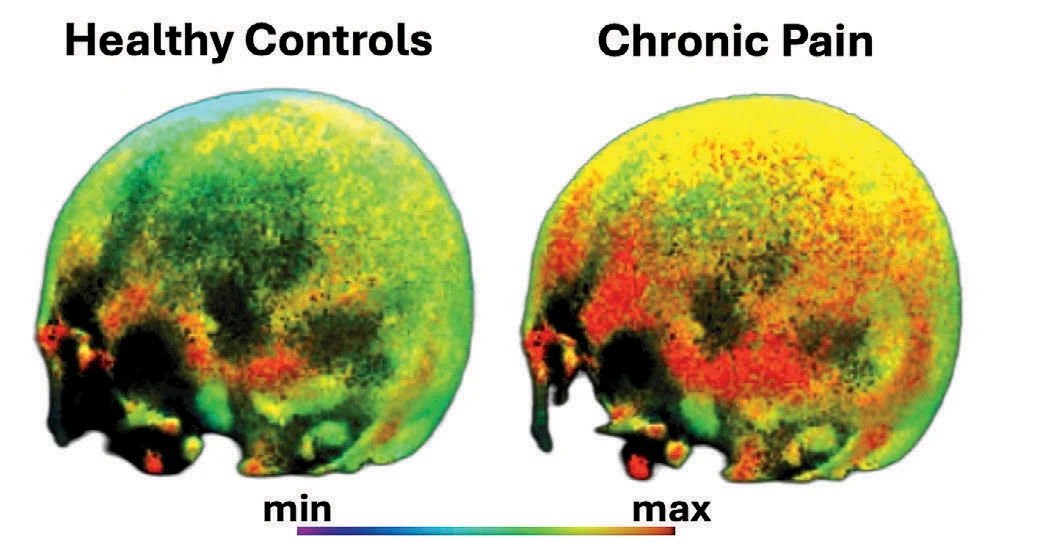
More than two dozen researchers at Harvard-affiliated hospitals and elsewhere, led by professor of radiology Marco Loggia, have discovered an intriguing link between chronic pain and the brain’s immune system: skull bone marrow. They used PET/MRI scans to study 125 patients with knee osteoarthritis or chronic low-back pain and compared them to 22 healthy controls. Those with chronic pain had higher levels of a marker of immune cell activity in their skull marrow—the more a patient had, the greater their pain, disability, anxiety, and depression. The discovery fits with an emerging idea that skull marrow communicates directly with the brain and its surrounding tissues. Further research will be needed to determine whether these changes are a cause or effect of chronic pain.