
The editors proudly recognize three superb contributors to Harvard Magazine during 2010, awarding each a $1,000 honorarium for distinguished service to readers.
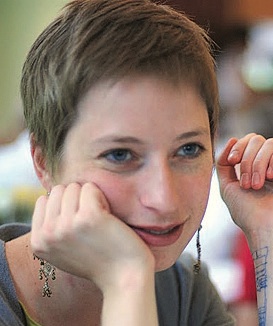
Phoebe Kosman
The McCord Writing Prize (named for David T.W. McCord ’21, A.M. ’22, L.H.D. ’56) recalls his fresh prose and verse composed for this magazine and for the Harvard College Fund. Phoebe Kosman ’05, a former Ledecky Undergraduate Fellow at this magazine recently promoted to associate publicity manager at Harvard University Press, showed that the rigors of employment have not dulled her spirited take on College life. We celebrate her funny, pointed “Great Trepidations,” on fifth-reunion anxiety, from the May-June 2010 Commencement & Reunion Guide.
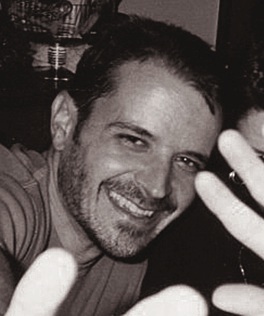
Miguel Davilla
Illustrator Miguel Davilla, who created the memorable cover and inside illustration for “After Our Bubble” (July-August), vividly depicted the anxieties and problems associated with the contemporary American economy in its global context--the subject of managing editor Jonathan Shaw’s feature on Harvard economists’ analysis of our current dilemmas.
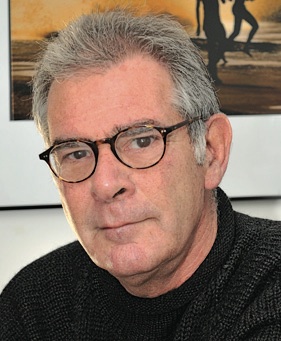
Stu Rosner
Among other challenging assignments, Stu Rosner--one of the magazine’s regular photographers–did particularly distinguished work this year in conveying the activities of hyperkinetic students (“Nonstop,” by deputy editor Craig Lambert, March-April) and the research of equally active faculty scholars who investigate social networks (“Networked,” by associate editor Elizabeth Gudrais, May-June). We warmly thank all three for their invaluable work in these pages.





