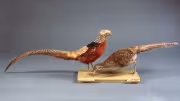
How Hummingbirds Survive High-Sugar Diets
Some birds—such as hummingbirds, parrots, and sunbirds—have evolved to thrive on extremely sugary diets without developing health problems common in humans, such as diabetes. By comparing the genomes and gene activity of sugar-feeding birds with those of related species, Ekaterina Osipova of the Faculty of Arts and Sciences Informatics Group, working with colleagues in Germany, found that these birds share key genetic differences affecting metabolism, blood pressure, and energy use. Many of these protective patterns occur in both genes and their regulatory controls, especially in pathways that process sugars and manage high blood sugar levels. One important gene, MLXIPL, was tested in human cells and helped them respond better to sugar, suggesting that this basic research might one day lead to insights that improve human health.
Hummingbirds evolved to thrive on sugary diets without developing health problems.
A Pediatric Heart Valve That Grows
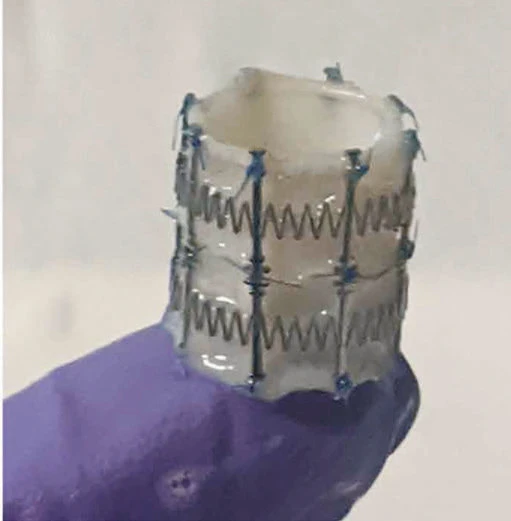

Babies and young children with congenital heart defects often face repeated open-heart surgeries as they get older, because current devices that replace heart valves don’t grow with the child. Professor of surgery Sitaram Emani, M.D. ’97, a cardiac surgeon at Boston Children’s Hospital, and colleagues at three other institutions have developed a “growth-adaptive” valve, mounted on a flexible metal stent that acts like a spring. After implantation, the device can gradually expand on its own as the child grows—without additional procedures. In tests in young pigs, the valve worked well initially and expanded from about 8-9 millimeters to up to 13 millimeters over several weeks while maintaining function. Although some complications appeared over time, this approach represents a promising first step toward longer-lasting pediatric heart valve treatments.
Mosquitoes Are Evolving to Survive Insecticides
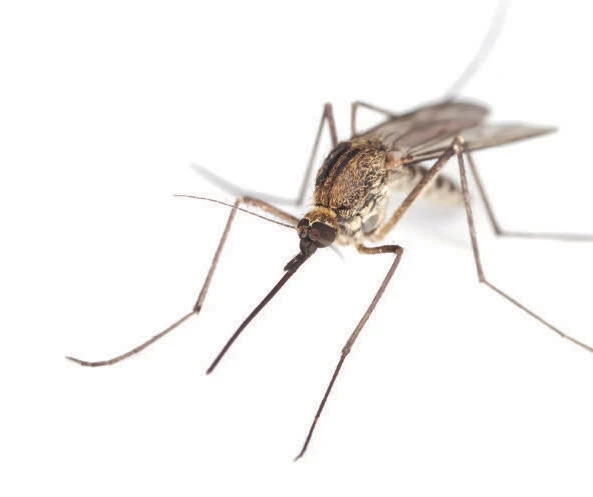
The dominant malaria-carrying mosquito in South America is evolving to survive insecticides, which could make the disease harder to control, a new study finds. Scientists in the lab of associate professor of immunology and infectious diseases Daniel Neafsey analyzed the complete genomes of more 1,000 mosquitoes from six countries and discovered genetic changes linked to insecticide resistance appearing in many locations—something they did not expect. Surprisingly, this resistance may be driven by runoff from agricultural pesticides rather than targeted public health sprays. These mosquitoes also show strong genetic differences across diverse environments and seem highly adaptable to environmental changes, raising concerns that malaria could persist or even worsen if current control methods become less effective. While the Neafsey lab’s basic research wasn’t designed to drive public health policy, the study is likely to inform future malaria control efforts.
The dominant malaria-carrying mosquito in South America is developing resistance to insecticides.