
Harvard Magazine managing editor Jonathan Shaw traveled to Brazil's Amazon rainforest to see what Harvard climatologists were doing there. See some of the plants and animals he encountered, and video of the scholars at work. (And read the article, "Models—and Mud—in Amazonia.")
Video: see the plants and animals Harvard climatologists encountered in Brazil
In this video, travel to Brazil with Harvard climatologists to see their work and the plants and critters they encountered.
You might also like
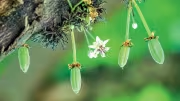
Discoveries: Chronic Pain, Cocoa Shortages, and Making Old Lungs Young
Harvard researchers investigate climate’s impact on cocoa crops, innovations in nasal vaccines, and links between pain and skull marrow.

Harvard Couple Aim to Cure Prion Diseases
The stakes are high for this husband and wife: one of them will die if they don’t find a cure.

Don’t Call Stephanie Pierce A Paleontologist
From competing in youth gymnastics to studying tetrapods, the Harvard curator has always chased her curiosity.
Most popular


Explore More From Current Issue

Take this quiz on six healthy habits that Harvard doctors recommend

As humanities shrink across higher education, one department is flourishing. Is its success a fluke, or a roadmap?

The University is expanding industry ties and investing its own funds to support research, but neither will replace lost federal dollars.