At the forefront of efforts to demystify the opaque condition known as “long-COVID,” which saddles some survivors of the SARS CoV-2 virus with a slew of unpleasant and debilitating symptoms months after their bodies surmount the initial infection, is Jason Maley.
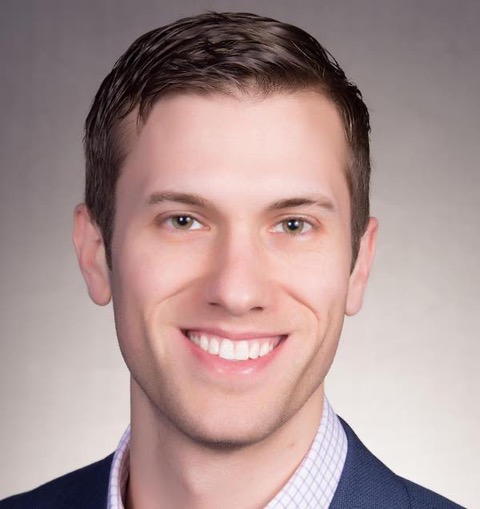
Dr. Jason Maley.
Photograph courtesy of BILH.
Maley leads Beth Israel Deaconess Medical Center’s Critical Illness and COVID-19 Survivorship Program, where he has worked with hundreds of these so-called long-haulers. In an interview today with Harvard Magazine, Maley, who is also an instructor at Harvard Medical School, said individual patients report unique constellations of symptoms, but fatigue is the cohort’s most common—and longest-lasting—complaint.
“They’re able to do much less activity during the day than they could do before having COVID, and they have to rest and recover for long periods of time after minimal activity,” he explained, adding that brain fog or cognitive impairment often accompanies this experience of profound exhaustion.
Neuropathy—pain or numbness in the hands and feet—is another prominent symptom, he added, though it tends to be underrepresented in general coverage of the condition. Persistent loss of, or changes in, taste or smell also tend to be hallmarks of long-COVID; for example, he said, there are “phantom smells,” like smoke, that patients can experience for months.
But such symptoms are far from exhaustive. Those with long-COVID may also endure discomfort when breathing, chest pain, muscle weakness, a heightened heart rate, dizziness, depression, anxiety, and post-traumatic stress, according to the program’s site. Faced with such varied suffering, the program requires a multidisciplinary staff—it includes specialists in neurology, psychiatry, pulmonary disease, physical therapy, social work, and more.
In addition to improving quality of life for its patients, Maley’s program seeks to uncover the biological underpinnings of the debilitating condition, which affects a still-unknown percentage of the virus’s survivors. Theories abound: researchers have postulated such culprits as persistent immune activation, the residual presence of low-level virus, physical damage from the initial infection, or some combination of causal factors.
Maley said testing has already allowed his team to rule out potential mechanisms behind certain symptoms. Take breathing discomfort, for example. “If [a patient] had initial mild COVID, it’s very uncommon that their lung function testing or their chest CT shows any abnormalities,” he explained. “And so we’re able to at least comfortably exclude any substantial scarring of the lung, or persistent inflammation that’s affecting the lung the way pneumonia would.”
Complicating the program’s research into causal mechanisms is post-intensive care syndrome: long-term muscle weakness and cognitive dysfunction that can afflict individuals who’ve weathered any sort of critical illness—often on a ventilator. That can potentially complicate a diagnosis for patients who’ve required a stay in the ICU, since their symptoms could result from either the more general PICS or long-COVID.
Maley said seeing a wide range of patients—some of whom had mild cases of COVID-19 that didn’t require them to be hospitalized—helps the team determine “what fits well with post-intensive care syndrome, and what may be somewhat unique to the fact that they had COVID as the cause of their critical illness.” Persistent loss of taste and smell, for example, are helpfully “different than what we would see with post-intensive care syndrome.”
A complete picture of long-COVID won’t be ready any time soon—it “will be on the order of years,” Maley cautioned—but his team, he said, is poised to take a more extensive look into the condition’s pathology this summer. “What we’re hoping to launch…if some grants come through, would be much more detailed testing of the immune system [and] organ function—now and over time as people recover.”
This type of research—which is gearing up at institutions across the country—will likely have implications beyond the current pandemic. Persistent post-viral symptoms aren’t unique to COVID-19, Maley noted. The SARS outbreak of 2003, for example, left some survivors battling fatigue, disturbed sleep, depression, and weakness months after their initial illness. Maley hopes the work will “lead to discoveries that will help us [better] understand these other illnesses that have caused patients distressing symptoms—but have been really poorly understood.”