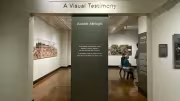
The Radcliffe Institute for Advanced Study announced this week that it had acquired the papers of Black feminist scholar and activist Barbara Smith. A civil rights organizer since high school, Smith became an architect of Black feminism and Black women’s studies whose work helped lay the foundation for the modern Black LGBTQ rights movement. She and her colleagues at the Combahee River Collective, a Black feminist lesbian socialist organization founded in 1974, are credited with originating the term “identity politics.” They also introduced the concept that later came to be known as “intersectionality,” an analytic approach for understanding how overlapping identities—such as race, class, gender, and sexuality—can compound or complicate a person’s experience of inequality. That idea has shaped half a century of social theory scholarship and political organizing.
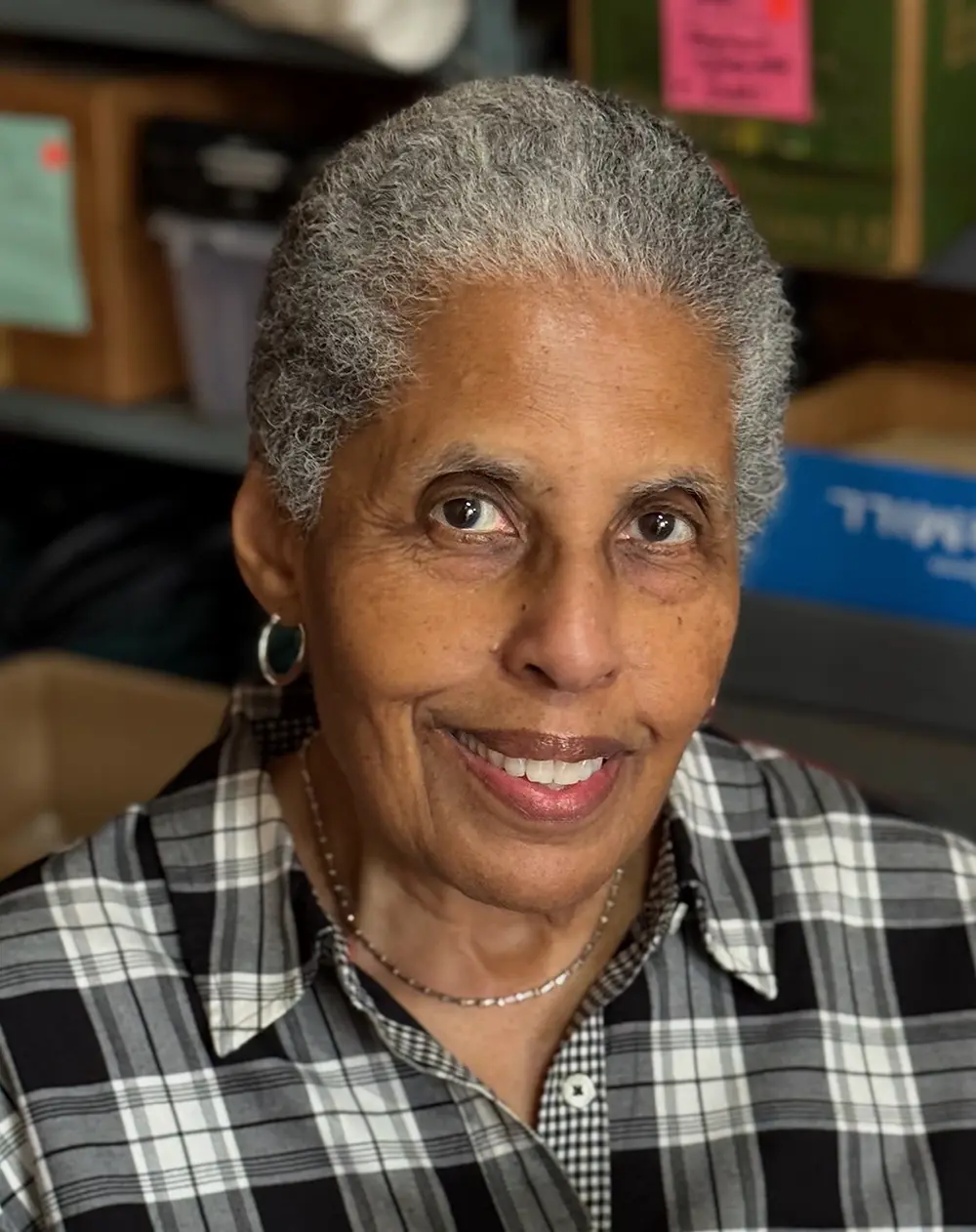
In a press release, Smith, who is 79, said she was “delighted” that her papers will be housed at Radcliffe’s Schlesinger Library. The institute already holds the papers of several other writers and activists with whom Smith worked and corresponded, including poet Adrienne Rich ’51 and pioneering civil rights lawyer Pauli Murray. In a video accompanying the announcement from Radcliffe, Jenny Gotwals, the Fraenkel curator for gender and society at Schlesinger Library, said that it “will be great for scholars and students to be able to read the full back-and-forth” in the letters between Smith and others.
Smith is probably best known as a founder and leading voice of the Combahee River Collective. The Boston-based group (which took its name from Harriet Tubman’s famous 1863 raid on the Combahee River in South Carolina, a military operation she led that freed more than 700 enslaved people) was active for only six years, but its impact was long-lasting. In 1977, the organization published a manifesto, “The Combahee River Collective Statement,” which became a foundational text in the contemporary Black feminist movement. Arguing that problems like racism and sexism are “interlocking,” the statement described Black women’s “life-and-death struggle” as members of two oppressed groups and insisted that “Black women are inherently valuable, [and] that our liberation is a necessity not as an adjunct to somebody else’s,” but “because of our need as human persons for autonomy.” Among Smith’s papers at Radcliffe are handwritten drafts of the statement, scrawled with her annotations and edits.
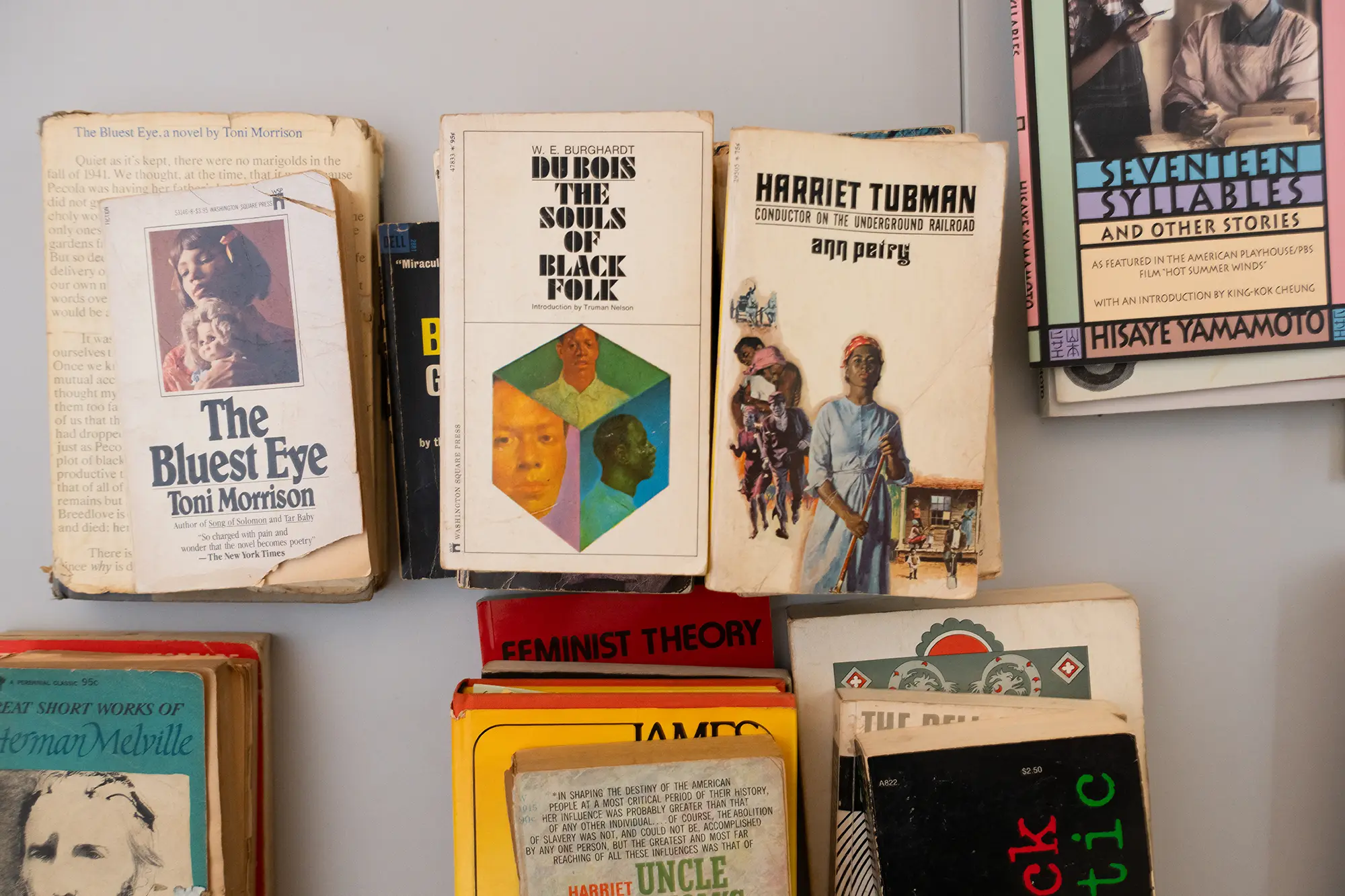
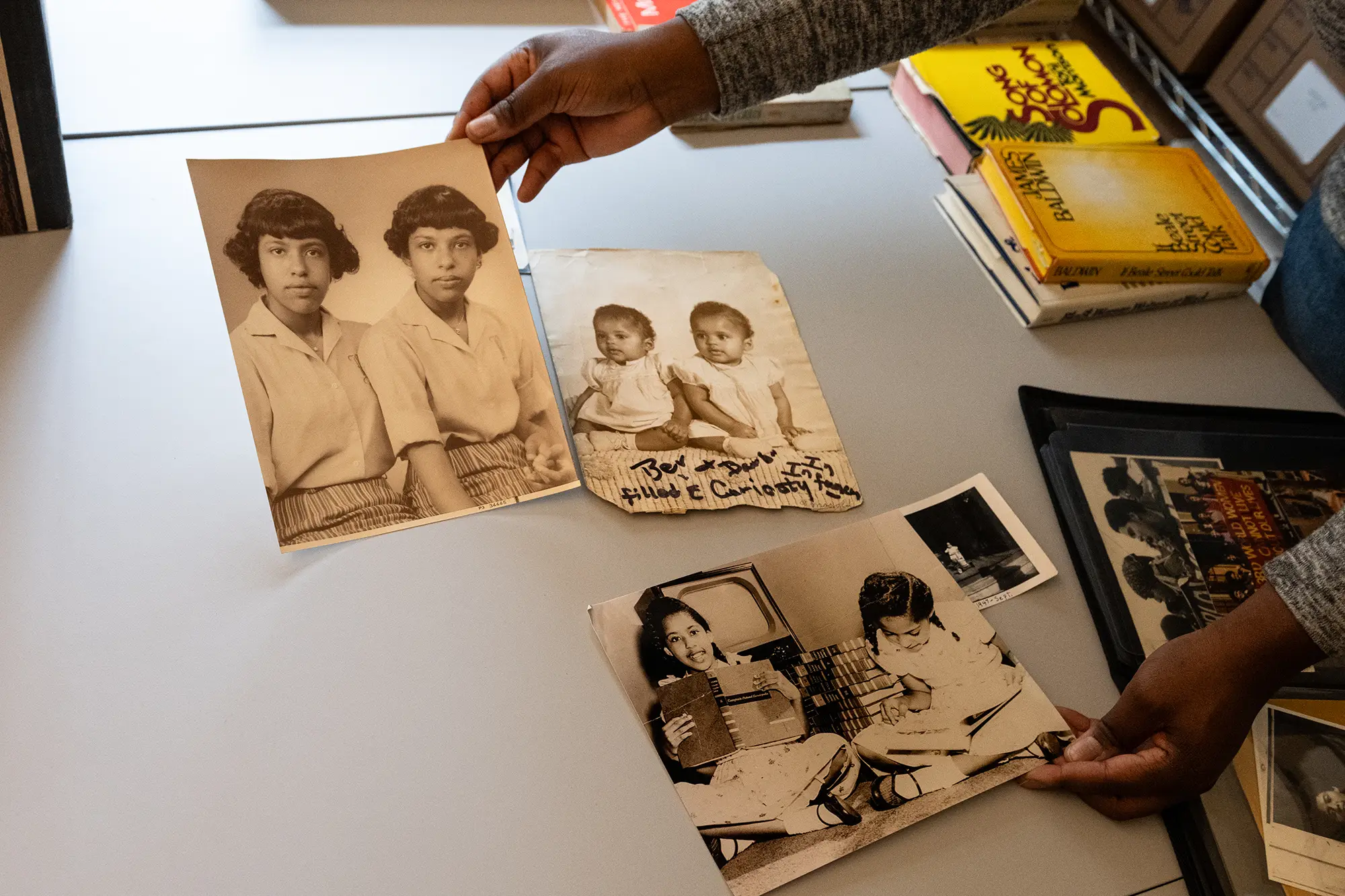
Other highlights of the collection include Smith’s personal library of well-thumbed books (many with notes in the margins), and a typewriter purchased from J.C. Penney in the late 1960s. There are also records from a feminist publishing operation called Kitchen Table: Women of Color Press, which Smith co-founded in 1980 with other activists including her twin sister Beverly Smith and poet Audre Lorde. Among its authors were Lorde and activist Angela Davis (whose papers are also housed at Radcliffe). Kitchen Table focused on female writers of color and published many books that other publishers at the time refused to accept because the authors were openly lesbian or queer.
The press became part of Smith’s broader effort to pressure mainstream society, especially publishers and literary scholars, into taking seriously the long-ignored body of literature by women and lesbians of color. In 1977, she wrote “Toward a Black Feminist Criticism,” a groundbreaking essay that helped launch the field of Black women’s literature, and she was forceful in popularizing the work of writers like Alice Walker, Toni Morrison, Nella Larson, and Zora Neale Hurston, in part by pushing for their inclusion in school curricula. Smith taught her first class in Black women’s literature at Emerson College in the early 1970s and later helped define the field of Black women’s studies.
In a press release announcing the acquisition, Radcliffe Dean Tomiko Brown-Nagin said, “Barbara Smith is a remarkably influential American scholar and activist—one who deserves far greater recognition than she has ever received.”
The Smith collection includes 165 cartons of material, which has not yet been processed and archived. It is expected to be available to researchers and the public by early 2028.