
The plaza between Harvard Yard and the Science Center has been remade as a campus crossroads. It features fixed and movable seating, anchors for reunion tents, wiring for movie nights and other performances, and a trilevel planting of ginkgo trees, sumacs, and ferns to soften the Science Center facade and provide shade and year-round visual interest. Chris Reed ’91 of Stoss Landscape Urbanism was the principal designer; for details, see “A ‘Common Space’ at Harvard’s Crossroads.”
Harvard's Science Center plaza revived
The Science Center plaza, renovated, becomes a Harvard crossroads.

Photograph by Jim Harrison
You might also like
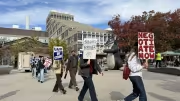
Harvard Graduate Workers Begin Strike
In the second walkout in six months, union leaders call for better pay and benefits and a stronger grievance process.
Harvard College Applications Surge 15 Percent
Of 1,648 students in the class of 2030, 39 percent will pay no tuition.
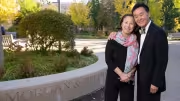
Harvard Law School Announces $31.4 Million Donation
The school’s largest-ever gift comes after a year of record fundraising.
Most popular


Explore More From Current Issue

The Harvard triathlete and coach says she helps normal people to “do extraordinary things.”

The University is expanding industry ties and investing its own funds to support research, but neither will replace lost federal dollars.

As humanities shrink across higher education, one department is flourishing. Is its success a fluke, or a roadmap?