EACH YEAR, candidates for Harvard’s Board of Overseers—one of the University’s two governing boards—answer four questions posed by Harvard Magazine. Their answers are meant to help voters better understand who the candidates are, what qualities they would bring to their leadership roles, and what they think are the most important issues facing the University today.
The candidates are: Salvo Arena, LL.M. ’00; Nisha Kumar Behringer ’91, M.B.A. ’95; Clive Chang, M.B.A. ’11; Teresa Hillary Clarke ’84, J.D. ’89, M.B.A. ’89; Arti Garg, Ph.D. ’08; Trey Grayson ’94; Alfredo Gutiérrez Ortiz Mena, LL.M. ’98; Nadine Burke Harris, M.P.H. ’02; and Philip L. Harrison ’86, M.Arch. ’93. Their answers are presented in full, with the candidates in alphabetical order.
Overseers can vote online or by paper ballot for six candidates starting on April 1, with ballots accepted until May 19 at 5 p.m. This year, the committee has nominated nine candidates for Overseer, rather than the usual eight, due to the resignation of Vikas Sukhatme, M.D.’79. The sixth-place finisher will complete the remaining two years of Sukhatme’s term.
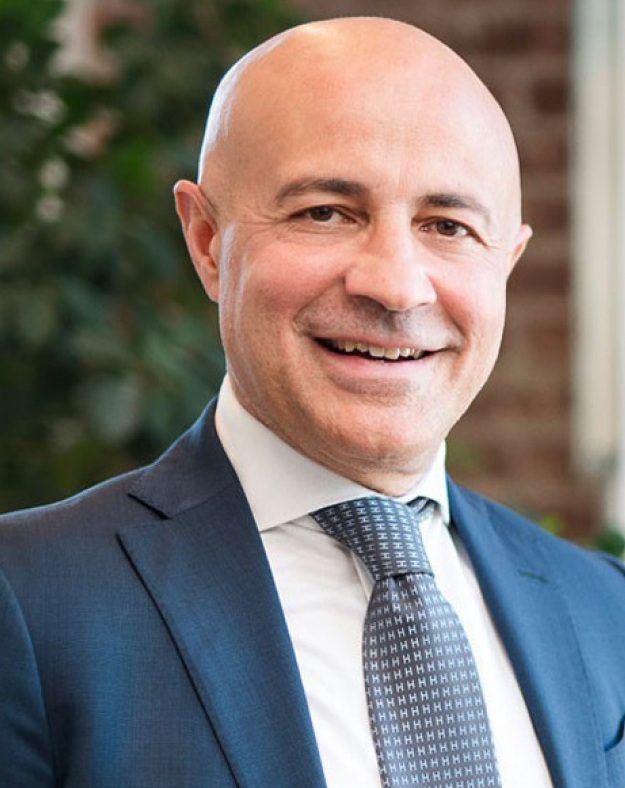
Salvo Arena, LL.M. ’00
New York, New York
Partner, Chiomenti
What are the most important challenges facing the University—and what are its most significant opportunities?
These are unprecedented times that pose several challenges to Harvard and in general to the higher education system. There are many, some are more impactful than others, but three come to mind. Freedom of speech: over the past year, life at Harvard has been shaped by a more complex and unsettled campus climate, influenced in large part by heightened tensions surrounding freedom of expression and academic inquiry. Conversations about the boundaries of speech have increasingly moved beyond the classroom, intersecting with concerns about campus safety, antisemitism, student activism, financial stability, and the adequacy of institutional protections. As these issues have converged, they have fostered a shared sense of uncertainty across the community, prompting ongoing reflection on how the University can best uphold open discourse while supporting the safety of its students. At the same time, these challenges have created meaningful opportunities for growth, encouraging renewed commitment to constructive dialogue, clearer articulation of institutional values, strengthened systems of student support, and a deeper preparation of students to engage thoughtfully with complexity, disagreement, and civic responsibility. Artificial intelligence: elaborating fair and sustainable policies, integrating AI tools and technology in a way to enhance education, managing the plagiarism phenomenon, and rethinking teaching methods are some of the core issues arising in connection with AI. In such respect, Harvard needs to be more committed in order to fully embrace the empowerment coming out of AI and try to minimize the possible misuse of it. International students are essential to Harvard’s academic excellence and global standing, yet visa instability, shifting U.S. immigration policies, and heightened political scrutiny have increasingly affected the University’s ability to recruit, retain, and support global talent. Harvard has vigorously reacted by expressing firm protection of the international students. President Garber recently said: “Thanks to you, we know more and understand more, and our country and our world are more enlightened and more resilient. We will support you as we do our utmost to ensure that Harvard remains open to the world.” About 27 percent of Harvard students (around 7,000 students) are international from over 140 countries. Harvard needs international students, and the world needs to continue believing and trusting Harvard.
What is the Board of Overseers’ role in Harvard’s response to those challenges—and in its efforts to realize those opportunities?
The Board of Overseers is one of Harvard’s two governing boards, along with the president and the Corporation. The Board plays an integral role in the governance of the University focusing on directing the visitation process, probing the quality of Harvard’s programs, and assuring that the University remains true to its charter as a place of learning. That covers each of the schools and is done primarily through more than 50 visiting committees across the schools and departments with the purpose of assessing the strengths and weaknesses of each school. In addition, the Board provides advice to the University on its strategic plans and priorities. It has also power of consent to certain actions (some ceremonial) including the election of Corporation members. Diversity of background, perspective, experience of the 30 Overseers provides the University leadership with greater insight and a variety of viewpoints so the University can move forward in ways that benefit the entire Harvard community. I also strongly believe that the Overseers should be the broader voice and expression of the worldwide alumni, the bridge between Harvard and the wider world, and help the University to maintain its worldwide role of leading educator.
How do your experiences and interests bear on the prior two questions?
I have been involved with Harvard for over 20 years, both nationwide and internationally, serving in numerous roles (including president of the Harvard Law School Association (HLSA) of Europe, graduate director on the HAA board for three consecutive terms, and president of the HLSA Worldwide, when, among other things, I revitalized more than 40 HLSA clubs and SIGs around the globe). I am currently president of the HLSA of NYC, chair of the Private Equity SIG, and governor of the HLSA of Europe.
Embracing the spirit of “One Harvard,” I have organized events that blend law with other disciplines, drawing attendance by alums across different Harvard schools, in the U.S., in Europe (two of them attended by Justice Elena Kegan and Provost John Manning), in Israel, Lebanon, South Korea, the U.K., and South Africa. My motto has always been “Raising Harvard Friends” with the purpose to connect as many Harvard alums as possible, because I genuinely believe that our community is an unparalleled network of individuals, from different countries, political affiliations, social class, religions, genders, sexual orientations, and races, who can make a difference in this world. I have had the privilege and the honor to receive the HAA Award and the Harvard Law School Award. I manage the New York office of one of the leading Italian law firms where I am the co-head of the private equity practice and the international practice. I am a dual-qualified private equity and sports lawyer assisting U.S. clients on cross-border transactions (including the acquisitions of Italian soccer teams). In my legal practice, one of the most recurring challenges has been to bridge the different respective cultures and negotiation approaches of Americans and Europeans. Before my graduation at HLS, I pursued a Ph.D. in corporations, and I was assistant professor at the law school in Catania for 5 years. I have a deep understanding of how European universities operate, and I aim to use such knowledge to serve as a resource for Harvard’s leadership. I do hope that my diversified experience and over 20 years of service in all capacities with the Harvard alumni associations, and my international perspectives (born and raised in Italy and been living in New York City for more than 20 years) on education, inclusion, and diversity, could bring to the Board of Overseers an enriching contribution and help to implement the strategies and priorities of Harvard.
Why are you standing for election as an Overseer now?
Giving back. I grew up in a low-income neighborhood in Sicily where opportunities are rare, and the future for most is not very bright. Neither of my parents has any education, nor did any of my siblings or relatives transcend elementary school. But I was raised to believe that education is the quintessential source of opportunity and advancement. At the time, there was no internet, I didn’t know a single person who had studied in the U.S. and I had no money—to the point that my girlfriend’s mother lent me $200 just to submit my HLS application. Thanks to friends, local government support, the law school in Catania, and a loan, I was eventually able to pursue my dream to study at Harvard. Harvard has always been more than an institution to me. It is a place where the rule of law stands as a guiding principle, where excellence, critical thinking, integrity, and morality are the bearing pillars. Harvard is my sanctuary of peace and joy, it is home, it is family. At Harvard, I met some of my dearest friends, I experienced the feeling of being able to achieve unthinkable goals and I laid the groundwork for my career. And at Harvard, I feel loved. Harvard made “the American Dream” possible, even coming from a challenging neighborhood in Sicily, and forever changed my life. Being part of the Board would complete a long journey of unconditional passion, commitment, and a sense of belonging to our Harvard community. It would be my best, ultimate way to give back, especially at this time when Harvard has been attacked and shaken. It is time now, more than ever, to take responsibility and do our best to preserve and maintain the core values of Harvard. Voice. Over 78,000 Harvard alumni living outside the U.S. are very proud to be part of the Harvard community and are seeking more involvement. Currently, only one member of the Board of Overseers was born and raised in a foreign country. I firmly believe that my international culture, education, and background, combined with 25 years of living in New York, could constitute a relevant contribution to the Board and help the international alumni to channel more efficiently their perspectives. Serving the Board of Overseers represents my greatest privilege and an extraordinary opportunity to contribute to making Harvard a more inclusive place.
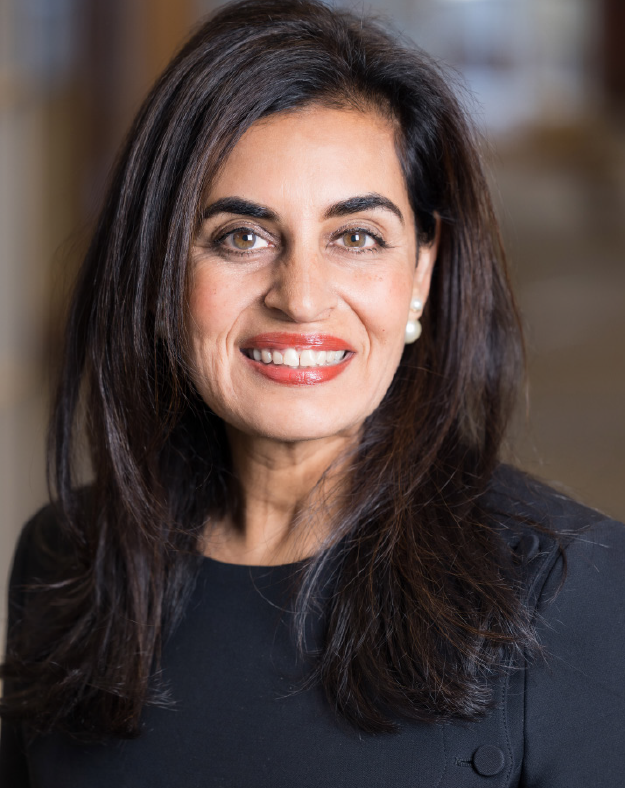
Nisha Kumar Berhinger ’91, M.B.A. ’95
Greenwich, Connecticut
Independent director and audit committee chair, Birkenstock Holding PLC
What are the most important challenges facing the University—and what are its most significant opportunities?
As the University works through the federal government’s demands, it must ensure that academic freedom and institutional integrity are upheld, and that intellectual vitality and viewpoint variety flourish. Harvard needs to reclaim its standing as a model community and setting for open, civil, and collaborative debate, where dissenting, respectful dialogues push our thinking and work to greater heights. It must also evidence the value and appeal of higher education to a broader audience. Artificial intelligence presents new learning and research modalities and methods, which require updated classroom norms and lab practices. At the same time, in a time of increasing financial constraints, Harvard must also continue to be Harvard, attracting the world’s top talent, cultivating our next generation of leaders and delivering groundbreaking research. These are also significant opportunities. Solving these is very consequential for Harvard, its global leadership position and universities everywhere; if we get these right, the world will follow.
What is the Board of Overseers’ role in Harvard’s response to those challenges—and in its efforts to realize those opportunities? As an advisory partner to President Garber and Provost Manning, the Board of Overseers plays a vital role, converging outside and varied professional perspectives to tackle our current challenges and plan for the University’s long-term success. This group helps envision and ensure our institutional strength, endurance, and competitiveness. It should leverage its external experience to listen and challenge, provide strategic guidance, untangle roadblocks, and introduce and coordinate best practices. Also with fresh looks, the Overseers can help our departments and schools balance both near- and longer-term initiatives.
How do your experiences and interests bear on the prior two questions?
A chief financial officer and corporate and nonprofit board director for over three decades, I set strategic direction, allocated resources, and designed financial plans for large, complex organizations. I have operated and led in public and consumer-facing businesses around the world, managing through growth and restructurings. I have worked side-by-side with CEOs, leadership teams, boards, and outside advisors to address tough, sometimes existential, questions, design action plans, deliver outcomes, and communicate these to various stakeholders. I believe my professional background will underpin and inform my governance and oversight role here. From a personal angle, I bleed Crimson. A daughter of immigrants, I view Harvard College and Harvard Business School as two of the greatest privileges of my life. Attempting to pay it forward, I have volunteered for the College and Business School since my graduations. For the College, I have been an active alumni interviewer for over a decade and currently chair the Schools and Scholarship Committee for Fairfield County, Connecticut. It brings me great joy and energy to meet our next generations of students. I have also served in fundraising, reunion chair and Executive Committee roles for the Harvard College Fund for over two decades, as I believe fiercely in providing every student the access and resources that so defined my college experience. At HBS, I was elected to the HBS Alumni Board and was recently appointed to its Executive Committee. I have also been active in fundraising and reunion planning there for over three decades. My experiences as an alumni volunteer have afforded me perspectives on a range of issues facing students, faculty, and the administration.
Why are you standing for election as an Overseer now?
No institution means more to me than Harvard, and if there has been any moment to devote my experience and energy to this extraordinary enterprise and community, it is this one. As Harvard confronts its challenges, external and internal, we must also push forth relentlessly in our pursuit of truth. We all come to Harvard because in some form we want to solve pressing problems and make the world a better place. Now, I hope to apply my career and volunteer expertise to Harvard’s heart, the core of the University’s mission and aspirations. Honored by this nomination, I will work with dedication and integrity to take our fair Harvard to its next level.
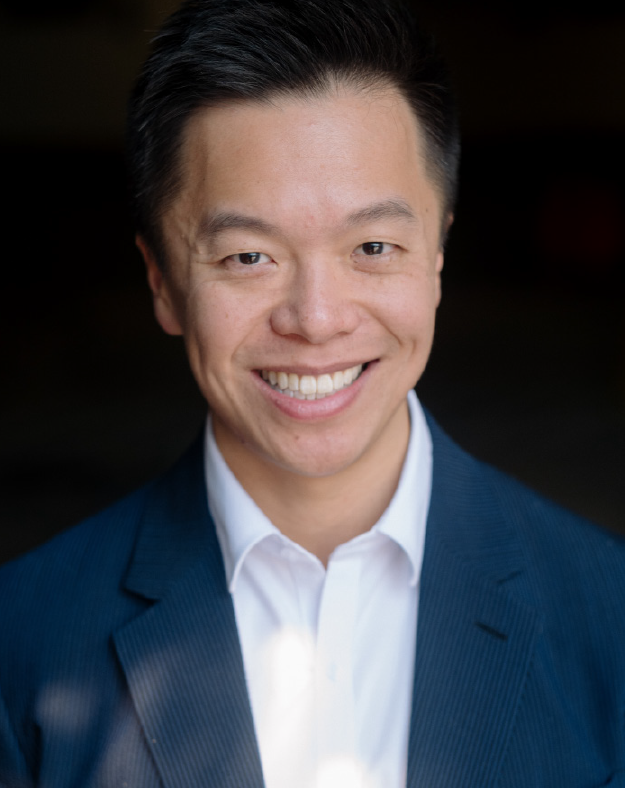
Clive Chang, M.B.A. ’11
Miami, Florida
President and CEO, YoungArts: The National Foundation for the Advancement of Artists
What are the most important challenges facing the University—and what are its most significant opportunities?
Higher education finds itself in a crisis of relevance, and Harvard has the challenge—and enormous responsibility—of being a standard-bearer and bellwether. Our greatest opportunity is to leverage our outsized influence to ensure that academic freedom, curiosity, and imagination continue to flourish across higher education. If Harvard is to continue fulfilling on its promise to educate tomorrow’s citizen-leaders, it must also be clear and steadfast in its values, particularly when they come under direct attack.
What is the Board of Overseers’ role in Harvard’s response to those challenges—and in its efforts to realize those opportunities?
Ultimately, the role of the Board of Overseers is to help guide Harvard’s actions to be as aligned to its values as possible—not just in letter, but also in spirit. For example, optimizing for the long run may mean enduring an acceptable dose of moral friction today. Made up of alumni representing the breadth of Harvard schools and across many generations, the Overseers collectively help to ensure the institution stays true to its intended journey. As an advisory board, the Overseers exert influence but not authority, and so it relies on collaboration and productive discourse to help Harvard’s decision-makers stay aligned to its “Veritas.”
How do your experiences and interests bear on the prior two questions?
As a nonprofit CEO, I am the primary steward of a public benefit organization and am ultimately accountable for its mission delivery. I wrestle daily with many of the same kinds of concerns as Harvard: balancing revenue generation with mission alignment; reconciling diverse viewpoints across a range of stakeholder groups; ensuring operational excellence in program delivery; relentlessly advocating for resources in support of our vision; and recently, responding to direct attacks on our organization’s values. My professional focus centers around helping young people flourish. I spend my waking hours thinking about how to nurture future generations of citizen artists. In this quickly evolving world order, it is more critical than ever to invest in creativity, imagination, and interdisciplinary thinking in the education of our leaders of tomorrow. The vast majority of my core constituency (15- to 18-year-olds when they are identified and awarded) find their immediate next step at institutions like Harvard, and so I view this role as a natural complement to my current life’s work—and I can bring a uniquely informed vantage point to decisions pertaining to the academic experience for incoming generations of Harvard students.
Why are you standing for election as an Overseer now?
I am humbled and honored to be asked to stand for election. I am deeply invested in empowering future generations to lead with unencumbered curiosity and imagination. I am energized by the opportunity to help Harvard navigate this extraordinarily complex time in its history—for the benefit of students, faculty, administration, alumni, and our collective contributions to humanity.
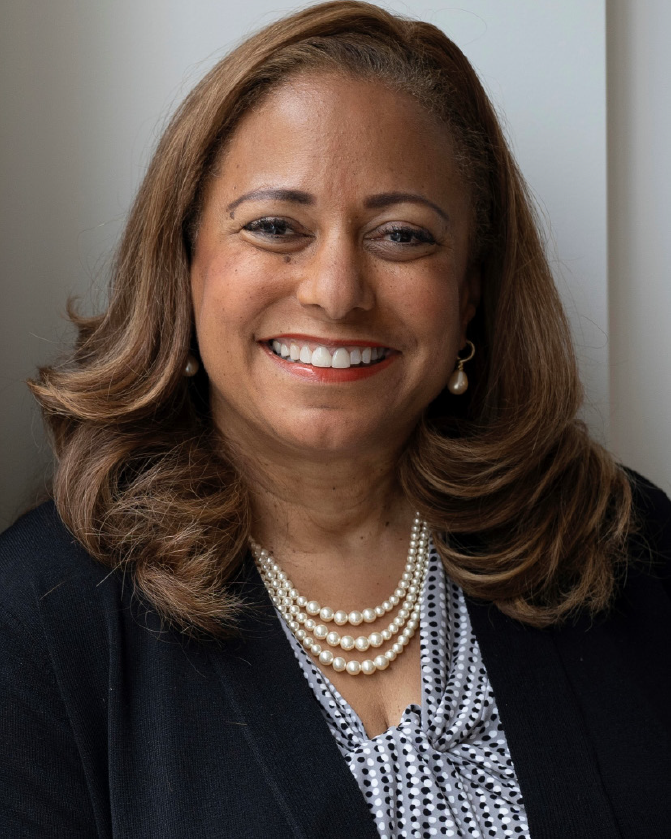
Teresa Hillary Clarke ’84, J.D.’89, M.B.A.’89
Miami, Florida
Chair and executive editor, Africa.com; former managing director, Goldman Sachs & Co.
What are the most important challenges facing the University—and what are its most significant opportunities?
From my perspective, the most important challenges facing Harvard are tightly linked: sustaining academic excellence while restoring trust, protecting inquiry amid polarization, and positioning the University to continue attracting the world’s best talent in a shifting policy environment. Harvard’s global standing has long depended on its openness. Uncertain immigration policies now risk deterring exceptional international students and scholars, disrupting laboratories and classrooms, and weakening Harvard’s role as a convening place for ideas and innovation. A second challenge is the resilience of medical and scientific research. Federal budget volatility and potential cuts can slow discovery, weaken early-career pipelines, and delay the translation of breakthroughs into real-world impact. As someone who has worked across complex institutions and capital environments, I see the importance of diversification and long-term planning in sustaining research excellence. A third challenge is that Harvard also faces the challenge of maintaining domestic diversity and belonging amid headwinds around DEI. The University must continue to ensure that students from many backgrounds can thrive, while upholding rigorous academic standards and a shared commitment to inquiry. Finally, a fourth challenge is that Harvard must thoughtfully govern the use of artificial intelligence within the learning experience—establishing policies that protect academic integrity, leverage AI’s power as a learning partner, encourage responsible use, and build genuine fluency for students entering an AI-shaped world. These challenges also present significant opportunities. Harvard can model civil, constructive dialogue across differences as a core institutional practice. It can leverage its financial strength and philanthropic reach to diversify research funding, deepen cross-school collaboration, and accelerate translation from bench to bedside. It can lead in building pathways for global talent through advocacy, partnerships, and practical support. And it can set the standard for AI in education through clear governance, faculty investment, and curriculum design that strengthens learning rather than replacing it. If Harvard approaches these issues with clarity, discipline, and humility, it can emerge more resilient and more relevant—coupling excellence with openness, and innovation with enduring values.
What is the Board of Overseers’ role in Harvard’s response to those challenges—and in its efforts to realize those opportunities?
From my perspective, the Board of Overseers’ role is to ensure that Harvard responds to today’s challenges with institutional discipline—grounded in academic quality, long-term resilience, and fidelity to Harvard’s charter—rather than reacting to headlines or managing day-to-day operations. The Board does that in three practical ways: visitation and assessment, strategic counsel, and governance accountability. First, through its standing committees and roughly 50 visiting committees, the Overseers direct the visitation process, Harvard’s primary mechanism for periodic external assessment of schools, departments, and major programs. That “deep dive” structure is how the Board can probe, with evidence, whether Harvard is adapting effectively to the pressures I’ve identified—global talent constraints driven by immigration policy, research funding volatility, domestic diversity and belonging amid DEI headwinds, and the governance of AI in teaching and learning. Visitation is where the Board can press for clarity: What is working? Where are the gaps? What can we do better? Second, the Overseers provide counsel to University leadership on priorities, plans, and strategic initiatives, informed by the Board’s cross-school vantage point. That perspective is critical when opportunities increasingly cut across Harvard’s decentralized structure—such as strengthening global pathways for students and scholars, diversifying research support and partnerships, or setting University-wide standards for AI in education that are transparent, enforceable, and academically sound. Third, the Board contributes to accountability through its regular plenary and committee engagements with Harvard’s leadership—and, in certain matters, through formal powers of consent. In that sense, the Overseers help keep Harvard focused on its long-term institutional interests: asking the hard questions, elevating risks early, and reinforcing the conditions for excellence, openness, and trust to endure.
How do your experiences and interests bear on the prior two questions?
My experiences and interests are closely aligned with both the challenges Harvard faces and the role the Board of Overseers plays in addressing them. Across my career, I have worked at the intersection of global talent, institutional governance, capital allocation, and long-term stewardship—precisely the lenses required to navigate this moment for higher education. As a former managing director in a global investment bank, I learned to assess risk, think across cycles, and make decisions in complex, highly regulated environments where credibility and long-term trust matter. That training shapes how I view challenges such as research funding volatility, immigration uncertainty, and the governance of emerging technologies like AI. Sustainable excellence requires diversification, discipline, and forward-looking oversight rather than reactive decision-making. My international perspective has been shaped by living in South Africa for more than a decade after the end of apartheid. That experience deepened my understanding of how access to education, global mobility, and institutional openness shape individual lives and national trajectories. As chair and executive editor of Africa.com, I engage daily with questions of global talent flows, innovation, and the role of institutions in fostering opportunity across borders. Those insights bear directly on Harvard’s ability to remain a magnet for the world’s best students and scholars. My governance experience further informs my interest in the Board’s role. I currently chair multiple boards, including the Smithsonian’s National Museum of African Art, and have served on numerous nonprofit and cultural boards. In those roles, I have seen how effective boards add value: by asking the right questions, insisting on evidence, supporting leadership, and keeping institutions focused on mission and long-term impact. Together, these experiences shape how I think about Harvard’s challenges and opportunities—and why I believe thoughtful, engaged oversight is essential to ensuring that excellence, openness, and public trust endure.
Why are you standing for election as an Overseer now?
I am standing for election now because moments of ease reward institutions; moments of difficulty define them.
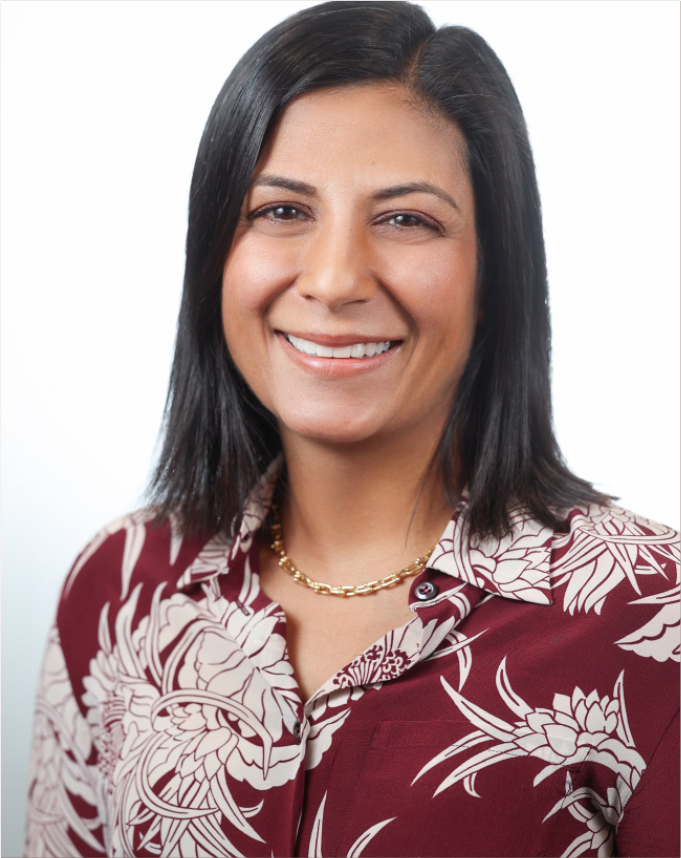
Arti Garg, Ph.D. ’08
Hayward, California
EVP and chief technologist, AVEVA
What are the most important challenges facing the University—and what are its most significant opportunities?
Harvard stands in the midst of existential decisions. As the oldest university in the country, it has shaped the uniquely American approach to higher education. But today, Harvard faces two challenges that will reshape not only its own future but the trajectory of academia more broadly: increasing interference into institutional decision-making and rapid technological advances, particularly in artificial intelligence, that upend our understanding of what it means to know and learn. For decades, Harvard has used federal funding to expand its impact through research and education across disciplines. This support has helped build world-leading institutions, including the Harvard-Smithsonian Center for Astrophysics where I did my graduate research. Today, citing concerns about operations, admissions, and academic programming, the federal government has threatened or withheld funds while seeking new oversight and control of the University. Acquiescing to these requests risks undermining core values such as academic freedom and institutional self-governance. But refusing comes with real costs. Funding uncertainty jeopardizes Harvard’s research mission and weakens its ability to serve a broad and diverse student body. At the same time, advances in AI are forcing the University to rethink the practice and purpose of education itself. As an AI technologist, I see every day how the unprecedented speed of this technology’s evolution is impacting every sector, including academia. Cultivating critical thinking and the capacity for lifelong learning are central to Harvard’s mission. But tools that can analyze data and simulate reasoning challenge traditional approaches to teaching and assessing mastery. They raise questions about the kinds of knowledge and judgment higher education should impart when computers can be trained to respond with Ph.D.-level expertise. These challenges also create an opportunity for Harvard. By recommitting to its public mission, Harvard can demonstrate why independent universities are essential to a healthy democracy. It can also pioneer new approaches to education that integrate AI in ways that preserve intellectual rigor and promote creativity and human judgment. In doing so, Harvard will not only stay true to its values during this period of rapid change, but it will help define the future of American academia.
What is the Board of Overseers’ role in Harvard’s response to those challenges—and in its efforts to realize those opportunities?
In the face of these challenges, the Board’s most important responsibility is to provide principled, independent oversight grounded in Harvard’s long-term mission. It must help ensure that Harvard’s responses to short-term pressures do not compromise its enduring principles such as academic freedom, institutional self-governance, and academic excellence. At the same time, effective oversight means engaging with practical realities. The Board has a responsibility to understand how funding uncertainty and regulatory changes impact the University’s research mission and provide advice that helps Harvard maintain its independence while sustaining the capacity to fulfill its mission. As part of its charter to ensure academic quality, the Board also has a responsibility to help the University respond thoughtfully to advances in AI. It can encourage the University to proactively consider how teaching, assessment, and research should evolve, and how students can be prepared to use emerging technologies responsibly and ethically. Given the pace of technological change, the Board’s external perspective is particularly valuable in helping Harvard remain agile rather than reactive. Ultimately, the Board of Overseers serves as a steward of Harvard’s institutional character. In the coming years, Harvard must uphold its academic integrity and educational excellence while approaching change with intention. The Board can help ensure that Harvard responds to current challenges without compromising its values.
How do your experiences and interests bear on the prior two questions?
My experiences span AI and advanced technology, government and federal funding, and scientific research, providing a perspective well-suited to these challenges. For over a decade, my professional work has focused on AI, from developing AI-enabled products to advancing the computing capabilities that drive AI advancement. I serve on and lead international bodies focused on AI governance and standards, and I am also a member of the Harvard FAS External Generative AI Advisory Group. These experiences give me a unique combination of technical expertise and societal understanding of AI’s implications. In the past, I served in the White House Office of Management and Budget, where I oversaw federal research and development funding and helped shape related policies and regulations. I have an intimate understanding of how federal funding decisions are made, including the policies and processes that govern them. As the University adapts to radical changes in federal research support, my experience will allow me to ask critical questions and challenge assumptions with nuance and realism. I conducted my graduate research at international telescope facilities that Harvard co-managed. I can say without reservation that my life and career would not be the same without the opportunities and resources that Harvard provided. I understand the importance of federal funding in supporting Harvard’s preeminent research capabilities, and how these underpin its academic leadership. Together, these experiences equip me to contribute thoughtfully to discussions about how Harvard can navigate external pressures, adapt to technological change, and maintain academic excellence.
Why are you standing for election as an Overseer now?
I am honored to accept the nomination to run for the Board, because this is a critical moment for Harvard and for American higher education. Decisions made in the next few years will have lasting consequences not only for Harvard, but for the broader academic ecosystem that looks to Harvard for leadership. The stakes extend beyond the most recent controversies. These have exposed fault lines that have been shifting for years. Through my work in government and as the founder of a nonprofit dedicated to increasing civic engagement by scientists and engineers, I have seen how public confidence in the value of research, expertise, and even higher education has eroded over time. And AI raises new questions about what it means to learn, know, and create. Despite these challenges, I remain optimistic about what’s next. I’ve seen how thoughtful engagement, grounded in intention and respect, can rebuild trust and strengthen institutions. I believe in Harvard’s mission and the importance of a robust, independent university system. While staying true to its values, Harvard has a unique opportunity to help chart the course for the future of academia. My combination of experiences is well-matched to the needs of this moment, and I look forward to helping Harvard navigate it.
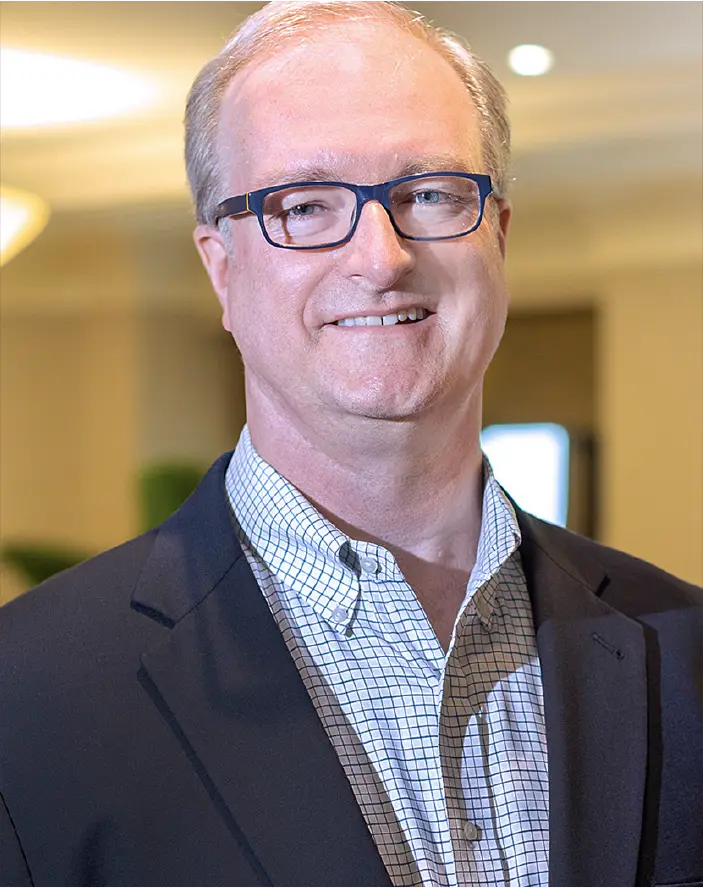
Trey Grayson ’94
Walton, Kentucky
Partner, FBT Gibbons; former secretary of state, Commonwealth of Kentucky
What are the most important challenges facing the University—and what are its most significant opportunities?
Harvard’s challenges are no secret as they have been regularly reported in media outlets over the past year: major financial strain from federal funding cuts, new endowment taxes, fundraising strain from the loss of some longstanding donors, as well as rising costs; political pressure regarding academic research, international students, antisemitism, DEI, and public trust; and concerns about academic rigor while promoting more “productive disagreement.” And the biggest challenge is perhaps the multi-front battle with the Trump administration that threatens academic freedom. Fortunately, Harvard has a strong endowment that can help cushion the financial transition, brilliant faculty, dedicated staff, talented students, accomplished alumni, and a nearly 400-year history of scholarship and education that has made America and the globe a better place. Throughout that history, Harvard has constantly adapted and reinvented itself to meet contemporary challenges. In 1636, that was training for the ministry. Today, a list of challenges includes the rise of AI, innovations in life sciences, the stress of populism on governments, climate change, and many others. As in the past, Harvard must maintain its focus on its academic mission that emphasizes the value of knowledge, generated from rigorous teaching and cutting-edge research.
What is the Board of Overseers’ role in Harvard’s response to those challenges—and in its efforts to realize those opportunities?
While I appreciate the leadership of Alan Garber and believe he is well positioned to lead the University in these challenging times, he needs help. The Board of Overseers is a unique body that, if properly utilized, can be a tremendous asset to President Garber and the faculty and staff who manage the University on a daily basis. I view the Board as a kind of brain trust that can provide guidance and ask probing questions, while keeping a focus on Harvard’s long-term interests. We can bring our different perspectives and relationships gained from our personal and professional lives, as well as from our times at Harvard. Given the challenges discussed above, it is more important than ever before that University leaders engage the talented and diverse alumni who compromise the Board.
How do your experiences and interests bear on the prior two questions?
I would bring three important attributes to the Board. First, I bring several different Harvard experiences to the Board—that of a graduate, an active alum, a parent of a recent graduate, and a former employee. I have remained engaged ever since my graduation in various volunteer capacities, including my current work on a Harvard Kennedy School Ash Center executive session focused on improving elections and election administration. However, my time directing the Institute of Politics (IOP) gave me a unique insight into how Harvard works, as that position required me to engage across all of the schools on campus. Too often Harvard is a series of silos—with an operating structure often described as “every tub on its own bottom”—but I found that our best success at the IOP occurred when we overcame those campus silos to collaborate for the good of the students. The IOP is nonpartisan, and I am proud of my work to bring diverse voices to campus during my tenure. From my Board of Overseers perch, I want to encourage and help administrators do that for all of Harvard. Second, professionally, I am frequently described as a consensus builder, and I plan to approach my Board service with that orientation. From my time as Kentucky’s two-term secretary of state—working with a divided legislature and two different governors from two different parties—I learned how to navigate and find common ground to pass legislation and improve coordination with other branches of government. In particular, in my bipartisan work for over 20 years to improve our nation’s system of election administration, I regularly find myself working with legislators, election administrators, and other stakeholders to overcome partisan and ideological differences to build consensus. This experience would be incredibly valuable for Harvard at this critical time. Third, other than my time as a Harvard undergrad and employee, I have been a lifelong resident of middle America. My neighbors, including some close friends, are among those who question the value of post-secondary education, government-funded scientific research, and the leadership coming from our nation’s leading educational institutions like Harvard, and they are voting for political leaders who share that perspective. It is important that Harvard better understand this perspective to successfully navigate the current challenging environment. I think I can help.
Why are you standing for election as an Overseer now?
First, it is an honor simply to be nominated. I still remember visiting Boston for a family vacation and taking my first ever subway trip—the Red Line from Park Street to Harvard Square—to take an historic tour of Harvard. That trip sparked a dream for this Kentucky public school student that ultimately led to four years in Cambridge that changed my life in so many ways. As a result, I feel a debt of gratitude to ensure that Harvard continues to positively impact the lives of its students and the world at large. That is why I have devoted so much time since graduation assisting Harvard in various capacities despite the 900-mile distance from my Kentucky home, including my return to campus with my family in 2011 to serve as director of the Institute of Politics, my undergraduate extracurricular home, to provide some much-needed stability and direction. As Harvard approaches its 400th anniversary, I feel a call to serve in such an important capacity to ensure that Harvard remains the world’s leading post-secondary institution. While Harvard has faced challenging times on many occasions in its history, the current situation may be its most difficult, with a broken fiscal model, campus divisions, too many Americans questioning its value, and the Trump administration’s actions threatening its academic independence. While Harvard has made mistakes, I appreciate the efforts of President Garber to try to right the ship and want to assist him and the rest of the school’s leadership. I believe that I have some experiences and insights that can assist them.
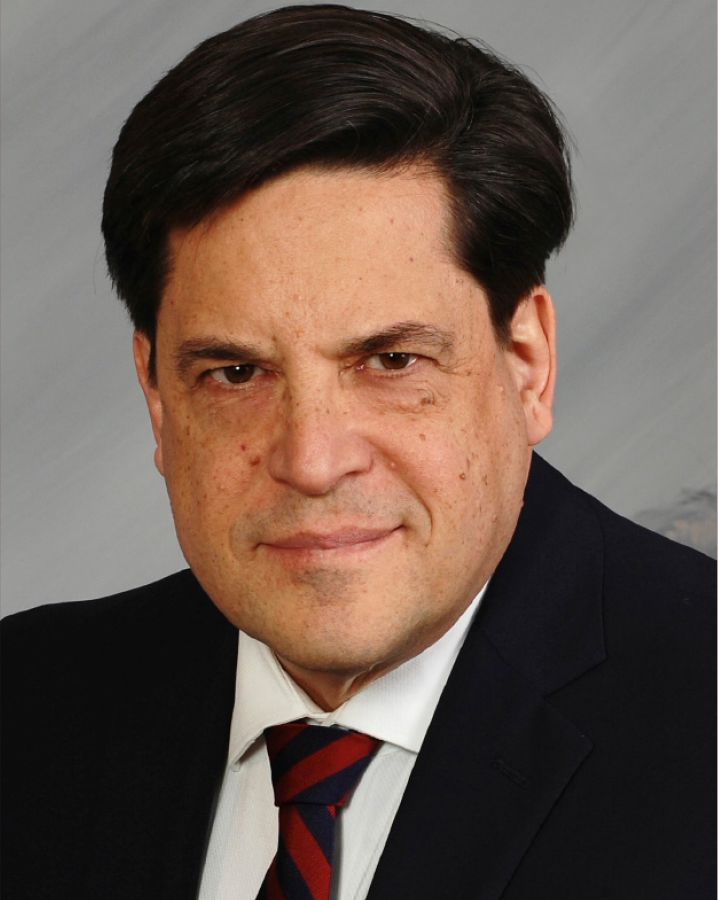
Alfredo Gutiérrez Ortiz Mena, LL.M. ’98
Mexico City, Mexico
Former justice, Supreme Court of Justice of the Nation (Mexico)
What are the most important challenges facing the University—and what are its most significant opportunities?
I spent over a decade on the Mexican Supreme Court and taught at Harvard Law School (HLS) in the fall of 2025 as the Henry J. Steiner lecturer in human rights, a named lectureship in the human rights program, teaching “Constitutional Erosion and Democratic Backsliding.” Walking back into an HLS classroom, I felt what I first felt as a student: that serious argument, done in good faith, is a form of community. In both places, I watched institutions struggle to explain their value when expertise itself is contested. From the classroom, I saw something worth protecting: students with sharply different priors learning to test arguments without treating one another as enemies. One challenge is that universities have become symbols in political battles rather than spaces for inquiry. That pressure is amplified by funding scrutiny and geopolitical constraints on research. The difficulty is not avoiding controversy; it is protecting the conditions for rigorous work when research becomes a public flashpoint overnight. Having served on a court where any decision could ignite protest, I know the difference between institutions that respond with defensiveness and those that respond with clarity about their mission. Another challenge is belonging. The Supreme Court’s affirmative action decision, debates over legacy admissions, and concerns about socioeconomic diversity have intensified scrutiny of Harvard’s commitment to opportunity. I was educated at the National Autonomous University of Mexico, the national public university with 380,000 students, before coming to Harvard on a Fulbright. That path taught me how powerful and fragile pathways of opportunity can be, and why excellence and inclusion are inseparable. Excellence depends on drawing from the broadest possible range of backgrounds and perspectives. A further challenge is that global crises (climate disruption, democratic erosion, technological transformation) do not respect disciplinary boundaries, yet universities remain organized around them. Students expect universities to engage these problems without sacrificing the depth that makes academic work trustworthy. These pressures create opportunity. If Harvard can show that serious inquiry and genuine openness are still possible (that an institution can protect difficult conversations, treat inclusion as essential to excellence, and bring people together across differences), it will offer something essential. The work Harvard does now will echo far beyond Cambridge.
What is the Board of Overseers’ role in Harvard’s response to those challenges—and in its efforts to realize those opportunities?
In a court, influence depends on restraint. You earn authority through the quality of your reasoning, not by asserting power at every opportunity. The same applies to Overseers. The Board’s role is strategic perspective, not daily management. Much of its value comes through visiting committees: helping Harvard assess itself, surfacing problems before they become crises, and offering views that complement rather than second-guess the expertise of faculty and administration. As alumni representatives, Overseers also help leadership understand how Harvard is perceived beyond Cambridge. This is not about amplifying loud voices or relitigating controversies. When I led Mexico’s tax administration, the hardest part was not designing policy; it was understanding how it would land with a skeptical public. Universities face a similar challenge, and Overseers can help navigate that gap. Overseers also help protect the conditions excellent universities require: academic freedom, space for disagreement, and a willingness to learn from mistakes. These are daily practices that erode if no one defends them. The best oversight enables independence rather than directing it. Overseers bring experience, raise hard questions, and then step back.
How do your experiences and interests bear on the prior two questions?
At 33, I was confirmed by Mexico’s Senate as chief counsel of the Tax Administration Service, the country’s equivalent of the IRS—the first of four Senate confirmations over the next decade, culminating in my appointment to the Mexican Supreme Court at 43. I mention this because it has meant spending my adult life on a question Harvard now faces: how do institutions earn authority when people are predisposed to distrust them? As commissioner of the Tax Administration Service during an economic crisis, I led an agency in a country where suspicion of government runs deep. The turning point came when we eliminated paper filings and required electronic submission. Business groups resisted, worried about costs and overreach. But electronic filing allowed us to build databases and risk-management models that transformed operations. Instead of audits that looked arbitrary and fed assumptions of corruption, we could identify genuine compliance risks transparently while processing legitimate refunds faster. We achieved among the fastest refund times in the Organisation for Economic Cooperation and Development (OECD) and substantially grew the taxpayer base. The lesson for universities is simple: you cannot talk your way into legitimacy. You earn it by building systems that are visibly fair, where rules are clear, process is open, and results speak louder than declarations of good faith. On Mexico’s Supreme Court, in some cases I authored the Court’s opinion and in others I joined landmark decisions that tested whether constitutional rights would be real for people with the least power, including opinions I authored recognizing same-sex marriage equality, protecting reproductive autonomy and requiring a gender perspective in cases of violence against women, and rulings on migrants’ access to legal identity. Those cases taught me that institutions earn legitimacy by applying principle consistently, explaining decisions clearly, and staying faithful to their role even when political pressure is intense. I now sit on the board of the National Autonomous University of Mexico Foundation, maintaining a connection to the public university that educated me before Harvard. It keeps me attentive to how decisions in privileged spaces affect broader communities.
Why are you standing for election as an Overseer now?
Over the years, Harvard and its alumni have invited me back in different roles: as an LL.M. student in 1997, as an invited Traphagen speaker in 2017, as the Henry J. Steiner lecturer in human rights in 2025, teaching “Constitutional Erosion and Democratic Backsliding” and “Constitutionalism at the Margins: Human Rights in Contested Spaces,” and now as an HAA-nominated candidate for the Board of Overseers. For the first time in more than 20 years, I no longer hold a position requiring Senate confirmation. That means I have the time and energy the Board’s work demands. I am also returning to Harvard just as it grapples with questions I have spent two decades confronting: how institutions maintain authority under external pressure, how they respond to criticism without defensiveness or capitulation, and how they protect independence while remaining accountable. The moment feels urgent. Universities face intense scrutiny—legal, political, financial. The easy response is defensive. The better response is to use this pressure to clarify what universities are for and why they matter. I believe Harvard will choose the latter. I do not have a blueprint for Harvard. What I bring is a preference for questions over slogans and experience helping institutions earn trust across political divides. Serving on a constitutional court taught me that institutions maintain legitimacy not by avoiding difficult questions but by answering them rigorously and transparently; not by defending every decision but by showing their work; not by dismissing criticism but by engaging it seriously. Harvard does not need Overseers with all the answers. It needs Overseers who ask the right questions, bring relevant experience, and trust the University to do what it does best. I can serve in that spirit.
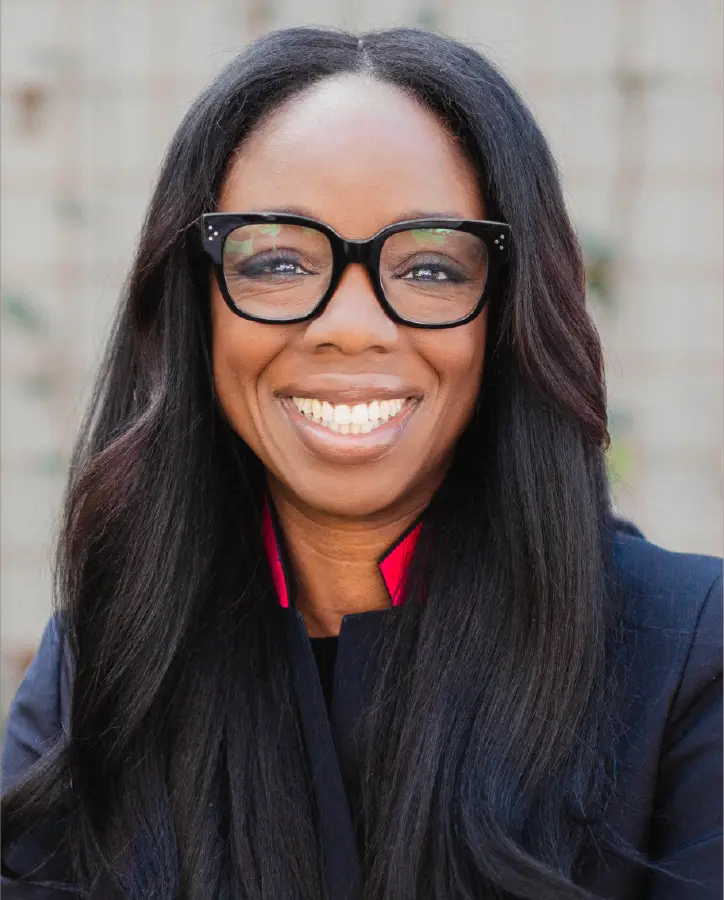
Nadine Burke Harris, M.P.H. ’02
Sebastopol, California
Pediatrician and former surgeon general of California
What are the most important challenges facing the University—and what are its most significant opportunities?
I believe that many of Harvard’s most significant challenges are also opportunities to reaffirm our values and our standing as a preeminent academic institution. Harvard’s strong stance in support of academic independence has been widely recognized and is a beacon to inquisitive minds who seek intellectual discourse, rigorous exploration, and the integrity that underpins true scholarship. At the same time, it’s clear that this independence is not without cost. Strong support and guidance is required to ensure the quality of our academic programs in the face of substantial political and financial pressures. As an example, changes in federal research funding will require re-imagining pathways to sustainability for Harvard’s robust research community. Harvard’s foundational charter expresses a distinctive set of moral, civic, and intellectual commitments including rigorous scholarship, ethical responsibility, independence of thought, and service to the public good. In the modern context, I believe this includes the challenge of ensuring that the University remains a place of inclusivity and promotes a diverse and engaged discourse. This inclusivity must go beyond admitting students from a broad range of backgrounds but also include supporting them once they are on campus. Further, holding space for differing viewpoints while also fostering a respectful learning environment is an area where Harvard can continue to lead with integrity.
What is the Board of Overseers’ role in Harvard’s response to those challenges—and in its efforts to realize those opportunities?
The Board of Overseers holds the responsibility to support the University in maintaining integrity with its charter. The visitation process is an important opportunity to ensure alignment of academic programs with our values as an institution. In addition, the Board of Overseers may share their expertise and serve as thought partners to the president and the Corporation to support and guide the University through its most pressing challenges.
How do your experiences and interests bear on the prior two questions?
My role as surgeon general of the state of California during the COVID-19 pandemic required a range of abilities including navigating complex systems, synthesis of both scientific data and public sentiment, consensus building, extensive message-testing, public communications, and implementation of large-scale initiatives. I look forward to bringing these skills to bear on behalf of the University. My current role as chief impact officer of ACE Resource Network builds off of the successful launch of the nation’s largest trauma-informed care initiative in California, advancing trauma-informed public health policy within a diverse group of states. This role calls for deep listening, tapping into shared values across varied political contexts, and uniting partners in service of a shared purpose. As the principal investigator of the Bay Area Research Consortium on Toxic Stress and Health, I have experience with the day-to-day demands of academic research as well as deep understanding of the potential of research to shape public policy. In addition, my professional expertise in adverse childhood experiences, trauma-informed systems of care, and health equity may be useful as the University seeks to support student well-being, inclusivity, and the holistic development of students. Further, I believe my experience with supporting strong governance structures as well as philanthropic partnerships may be a resource for the role of Overseer.
Why are you standing for election as an Overseer now?
I’m deeply honored to be nominated to serve as an Overseer. I have always gravitated to roles that call for intention, purpose, and service, and I cannot think of a more meaningful institutional service that speaks to this moment. Harvard University stands at the vanguard of academic independence, and it is truly my joy to have the opportunity to be of service at this historic juncture.
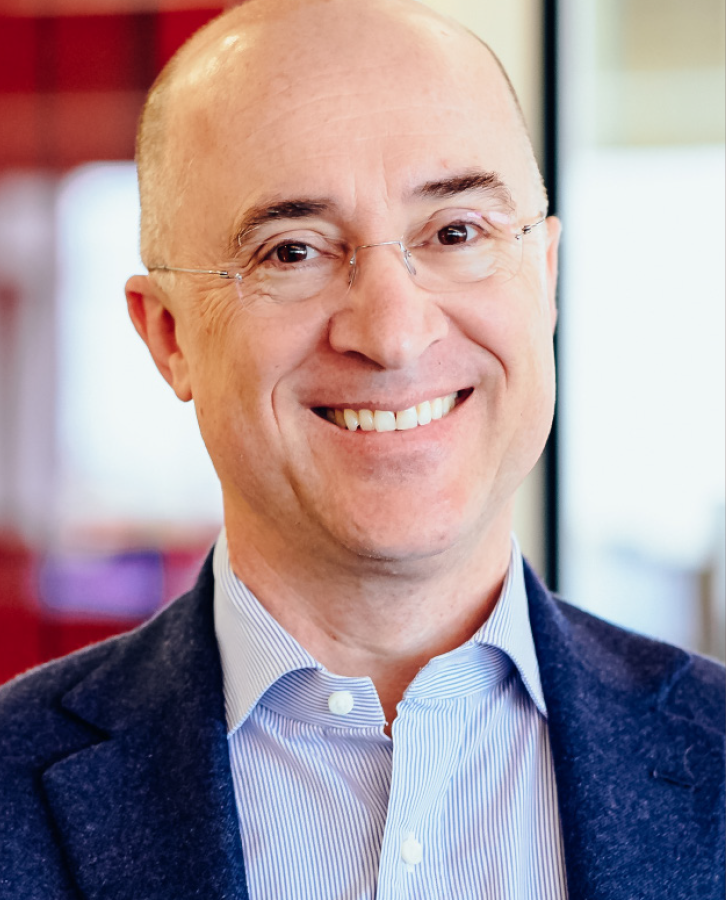
Philip L. Harrison ’86, M.Arch. ’93
Atlanta, Georgia
CEO, Perkins&Will
What are the most important challenges facing the University—and what are its most significant opportunities?
Most of us are acutely aware of the widespread loss of confidence in U.S. higher education and the recent dramatic shift in the federal funding of research. These are serious challenges for Harvard, and I’m confident that many extremely capable people are working to address them. While I am concerned about these challenges and hope to contribute to solutions, I am even more concerned about how these seismic problems could create secondary negative impacts on Harvard. Fear in crisis can be toxic. It can cause us to lose sight of the long view, and it could suppress the very things that make Harvard so exceptional: broadminded thinkers finding joy in learning and confidence in leading in a truly special place. Liberal arts education and interdisciplinary thinking are Harvard’s educational core, and we should double down. These are essential for tackling the world’s most challenging problems, and Harvard should strive to build an even more powerful pedagogy across disciplines for the future of education. Even as it grows important new engineering and scientific programs, it should strongly emphasize liberal arts at the College. And it needs to do more work to fully realize its One Harvard vision. I believe Harvard should more explicitly emphasize teaching creativity and its close relatives–inspiration, optimism, imagination, empathy, and generosity– and that these modes of thinking are applicable to all areas of study. I believe Harvard should explicitly strive to be a wellspring of visionary creative leadership. Harvard is a magical place. I still feel this magic when I walk into Harvard Yard, one of the most stimulating places anywhere. As Harvard expands and financial pressures mount, we should continually cultivate a campus that provides students and faculty an environment of joy, well-being, safety, and overall richness of experience. Academics are why we come to Cambridge, but the experience outside the classroom, living on campus, and spending time with classmates are the most memorable dimensions of attending Harvard.
What is the Board of Overseers’ role in Harvard’s response to those challenges—and in its efforts to realize those opportunities?
The Board of Overseers provides strategic insight to the school’s administration and the Corporation. Its members possess diverse experiences, knowledge, and skill sets, providing the University with a relatively objective source of wisdom and critique. The Overseers should be friendly to the University yet demanding. My impression is that, in the past, the Board of Overseers offered gentle guiding advice but perhaps it was not a driving force for the institution. I understand that this has changed in recent years, as the University is increasingly aware that it needs to evolve in important ways, and that the Board of Overseers now offers impactful insights to help guide the school into the future. I would be honored to be part of this group.
How do your experiences and interests bear on the prior two questions?
I would bring my skills in creative management and my passion for education to the Board of Overseers. As an architect, much of my professional career has been building a world-class professional services organization, now the largest privately owned design and engineering services firm in the world, similar in scale and complexity to Harvard University. Throughout my career, I have honed a broad management skillset that would be directly applicable to the Overseer role, including deep expertise in strategic planning, financial management, leadership development, research, digital innovation, sustainability, and progressive governance. My confidence in leading through adversity and organizational transformation would be directly useful to Harvard’s current circumstance. More narrowly, I have specific expertise in the built environment and its impact on human performance and well-being—topics central to Harvard’s expanding campus, post-pandemic education, and the imperative to maximize real estate’s strategic impact while minimizing costs. Our firm works with virtually every sector in every geography around the world, so, among many other areas, I have a considerable awareness of issues faced by institutions in education, research, healthcare, and culture. My academic interests are broad, as I balance fascination with science, math, and technology with a passion for the visual arts, music, design, and social sciences. I started at Harvard College as a math and physics concentrator, then I switched to visual and environmental studies and philosophy! My architectural career has naturally synthesized left- and right-brain thinking, as design practice balances creative, technological, environmental, social, and financial matters. Apparently, it has been a very long time since there was a Graduate School of Design graduate on the Board of Overseers. I would thoroughly enjoy bringing more design thinking to the Board!
Why are you standing for election as an Overseer now?
I have a lifelong connection to Harvard and a deep belief in the power of higher education to positively shape society. At this pivotal moment for the University, I want to help. As I mature in my career, I have increasing flexibility to spend time in areas that are important to me: education and the arts. As for why Harvard right now, my involvement at the Graduate School of Design over the last decade has made me more broadly aware of the issues at the University level, and this would be a natural progression of involvement for me. As the role of the Board of Overseers becomes more central in crafting the institution’s future, I am excited about the opportunity to work with talented colleagues to help guide Harvard to 2032 and beyond!