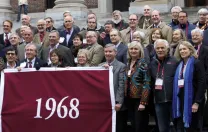
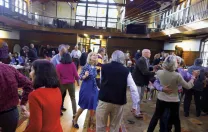
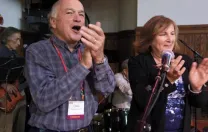

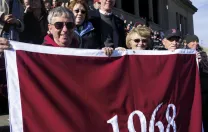
Tap into the spirit of the class by involving classmates during, before, and after the reunion in planning or brainstorming about ideas for new events and activities. “Get people involved early, even while they are at the current reunion, while they are saying that everything is great,” says Eva Kampits ’68. And follow up after the reunion to solicit feedback while experiences are still fresh.
- Don’t be afraid to copy great ideas from other classes.
- Find a unifying event that will draw people to Cambridge, starting on Thursday or at least Friday night, says Anne Holtzworth ’84. “You want people coming in for the whole long weekend, not just showing up on Saturday morning.”
- Centralize the planning and plan in consistent, incremental ways during the prior 18 months. Having an “on-site reunion committee able to meet frequently with the HAA is essential,” says Kampits. “The HAA staff is key to making reunion activities work—or not.”
- Find opportunities to meet with students, or attend student events focused on the arts, sports, or academics, enabling alumni to connect with life on campus life and see firsthand all the changes at Harvard.
- Be flexible and inclusive. Solicit volunteers and be prepared to hear ideas. “Over 70 classmates participated in the reunion committees,” reports Kampits, including fundraising, attendance, and programming. “And, for good or for ill, the ideas kept coming into September!”