Deputy editor Craig Lambert tiptoed on to Harvard Magazine’s masthead formally in the November-December 1988 issue, the ninetieth-anniversary edition, as a “copy editor.” (He had previously been listed among the contributing editors, having written about rowing, tennis, and Harvardians in Hollywood—all enduring passions.) By the following spring, he was among the associate editors, and he hasn’t looked back, until now: effective December 1, he has retired. Lambert’s feature on academic publishing, in this issue, is his last as a full-time member of the staff. Fittingly, he also writes this time for Right Now, the section on engaging, thought-provoking research by the University’s scholars: for many years, as editor, he assembled its lively contents.
Lambert liked telling stories through people. His profile subjects included Doug Kenney (of the Harvard Lampoon, and co-founder of the National Lampoon); playwright Christopher Durang and drama critic Frank Rich; writers as diverse as Mark Helprin and Hendrik Hertzberg; and scholars from applied physicist Eric Mazur (a pioneer in moving teaching beyond the lecture format) to sociologist Orlando Patterson. He covered emerging ideas (behavioral economics) and shed new light on old ones (the “beauty” in intellectual insights and discoveries). He directed and wrote much of the magazine’s sports coverage, explaining how to compete at bicycle racing and how to set up a winning volleyball shot. And playing to a particular strength, he founded Montage, the magazine’s expanded coverage of arts, performance, crafts, creativity, and design, in all spheres (and appears there in this issue, too). Lambert also developed and encouraged a number of the magazine’s most productive freelance contributors.
His will be an active retirement: he is completing his second book, Shadow Work: The Unpaid, Unseen Jobs That Fill Your Day (forthcoming from Counterpoint Press this May). We celebrate his quarter-century-plus of service, congratulate him for his myriad contributions, and look forward to further work in these pages as his new schedule permits.
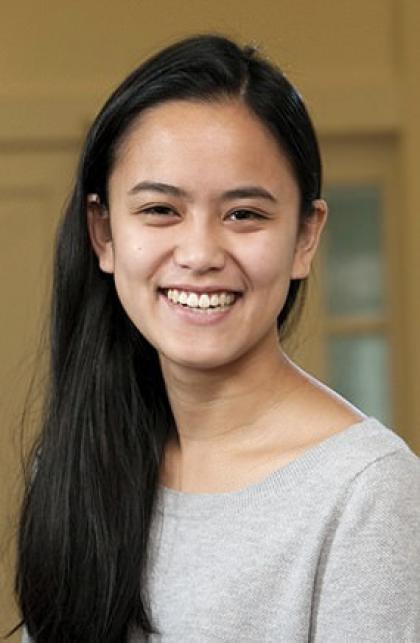
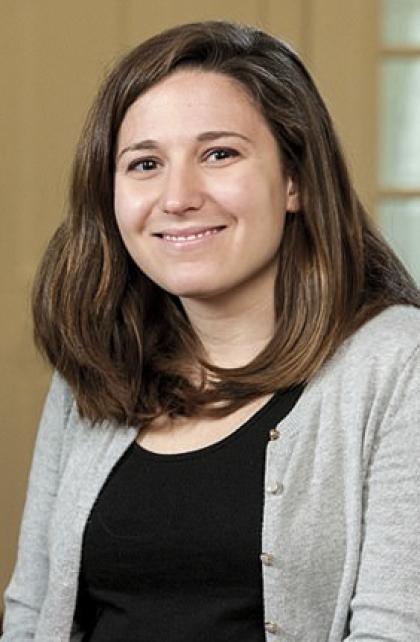
Beginning in August, two new colleagues joined the staff: Stephanie Garlock ’13, a veteran of The Harvard Crimson who wrote for The Atlantic’s CityLab in Washington, D.C., after graduation; and Sophia Nguyen, who graduated from Yale in May, after working with the strong writing faculty there and editing The New Journal. Both have contributed extensively already, covering schools’ campaign launches, museum openings, scholarship on sustainability, and more. You will find excellent examples of their reporting and writing in Right Now, Montage, the profile of an undergraduate wrestler, and John Harvard’s Journal in this issue—and their astute editing has improved virtually every other article, too. We look forward to their first full-length features, now under way. Their fresh perspective, energy, and craftsmanship will continue to strengthen our work on readers’ behalf, in print and online, in this new year and beyond.
~The Editors