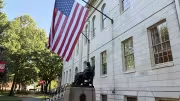
On December 22, 2009, Harvard Magazine convened and moderated a roundtable discussion at Harvard's Center for Government and International Studies. The wide-ranging discussion touched on China's political future, the country's role in the world, and whether a Chinese national identity exists.
Participants included:
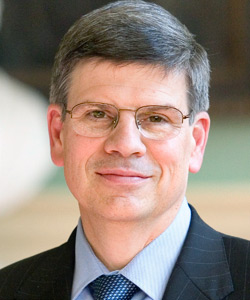
William Kirby is Chang professor of China studies, Spangler Family professor of business administration, and director of Harvard's Fairbank Center for Chinese Studies. An historian of modern China, Kirby has also delved deeply into contemporary Chinese business history and organization. For more information, see the center director's page.

Arthur Kroeber '84, who has lived in Asia since 1987, served as correspondent of the Economist Intelligence Unit for a decade and is now a managing director of Dragonomics, an economics research and advisory firm. (For more information, the "Who We Are" page on the Dragonomics website is especially helpful.) Kroeber is based in Beijing; he is the husband of fellow panelist Deborah Seligsohn.

Deborah Seligsohn '84 is senior fellow and principal adviser for the China climate, energy, and pollution program at the World Resources Institute. She blogs at www.ChinaFAQs.org on Chinese energy and climate issues. Seligsohn previously worked on those issues for the U.S. State Department, serving in the Asian and Pacific regions for two decades. She is the wife of fellow panelist Arthur Kroeber. For more information, see her profile page on the World Resources Institute website.
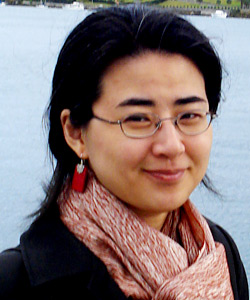
Xiaofei Tian, professor of Chinese literature, is a specialist in medieval and modern Chinese literature and cultural history. For more information, see her biography.

Mark Elliott is Schwartz professor of Chinese and Inner Asian history. His work focuses on the Qing dynasty, the connections between the Manchu empire and modern China, and the historic and continuing relations between China and Inner Asia. For more information, see his biography.
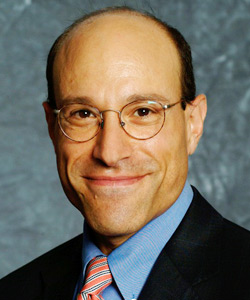
Edward Steinfeld '88, Ph.D. '96, associate professor of political science at MIT, is a specialist on Chinese economic reform, industrial organization, and the political economy of development and organization. He directs the MIT-China Program and is co-director of the China Energy Group at MIT. His recent research has focused on the energy sector. His next book, Playing Our Game: Why China's Rise Doesn't Threaten the West is forthcoming from Oxford University Press. For more information, see Steinfeld's faculty profile page.

Evan Osnos '98-'99 is the New Yorker correspondent in Beijing and author of the "Letter from China" blog on that magazine's website.