Completing the Century

From photographer Berenice Abbott to labor activist Elaine Black Yoneda, from Wyoming governor Nellie Tayloe Ross (born in 1876) to Tejana...

From photographer Berenice Abbott to labor activist Elaine Black Yoneda, from Wyoming governor Nellie Tayloe Ross (born in 1876) to Tejana singer Selena Perez Quintanilla (born in 1971), Notable American Women: A Biographical Dictionary Completing the Twentieth Century (Harvard University Press, Belknap Press, $45) presents meaty profiles of 483 impressive figures who died between January 1, 1976, and December 31, 1999. Editor Susan Ware and assistant editor Stacy Braukman note that their book, prepared under the auspices of the Radcliffe Institute for Advanced Study and due this February, "represents the culmination of the premise behind [the series' volumes of 1971 and 1980]: to uncover and document women's contributions to politics and culture during historical periods when their significance was generally unrecognized by the society at large."


 

Most popular

New Names Proposed for Harvard Extension School Degrees

Long pushed for, the changes would be part of a broader rebranding for the Division of Continuing Education.

Harvard Weathers a Year of Turmoil

The federal government has launched unprecedented actions against the University. Here’s a guide.

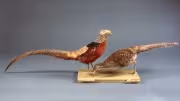
Lafayette’s Unexpected Gift to George Washington: Pheasants

The two birds will be on display at Harvard this summer.

Explore More From Current Issue

Collage of book covers featuring various titles on a vibrant orange background.

These newly released novels, histories, and memoirs grapple with identity in all its forms.

Delicate green cocoa pods and small white flowers on a tree branch, surrounded by soft greenery.

Harvard researchers investigate climate’s impact on cocoa crops, innovations in nasal vaccines, and links between pain and skull marrow.

Panoramic view of Harvard University with autumn foliage and a river under a cloudy sky.

The University is expanding industry ties and investing its own funds to support research, but neither will replace lost federal dollars.