The Original Pollination Signal
Plants usually attract pollinators using bright colors and scents, but some of the earliest plants use heat instead. A collaboration between professor of molecular and cellular biology Nicholas Bellono and Hessel professor of biology Naomi Pierce has shown that cycads, a division of cone-bearing plants that are ancient in evolutionary terms, warm their reproductive structures in daily cycles, releasing invisible infrared radiation that attracts beetle pollinators. Experiments showed that beetles are drawn to this heat even when color, scent, and touch are removed, proving that infrared radiation itself acts as a signal. The team also discovered that the cycad-feeding beetles have specialized sensory cells in their antennae that detect infrared heat, tuned precisely to the temperatures produced by their host plants. This heat-based signaling predates colorful flowers and likely played a key role in the earliest plant-pollinator relationships, long before bees and butterflies became dominant.
Selling the Building, Risking the Hospital
In the early 2000s, some U.S. hospitals began to sell their buildings and land to real estate investment trusts (REITs), then leased them back, with the promise that the capital infusion would be reinvested into better patient care. Researchers at the Harvard Chan School of Public Health compared 87 hospitals acquired by REITs between 2005 and 2019 with similar hospitals that were not. They found that REIT-acquired hospitals were almost six times as likely to close or declare bankruptcy than hospitals that retained ownership of their real estate.
REIT-acquired hospitals were almost six times as likely to close or declare bankruptcy.
The study also found no meaningful differences in patient care quality, staffing levels, or short-term health outcomes such as mortality or readmissions, despite the income from the sales. Instead, the financial strain of rent obligations may weaken hospitals’ long-term stability, raising concerns for patients and communities and highlighting the need for stronger regulatory oversight of such sales.
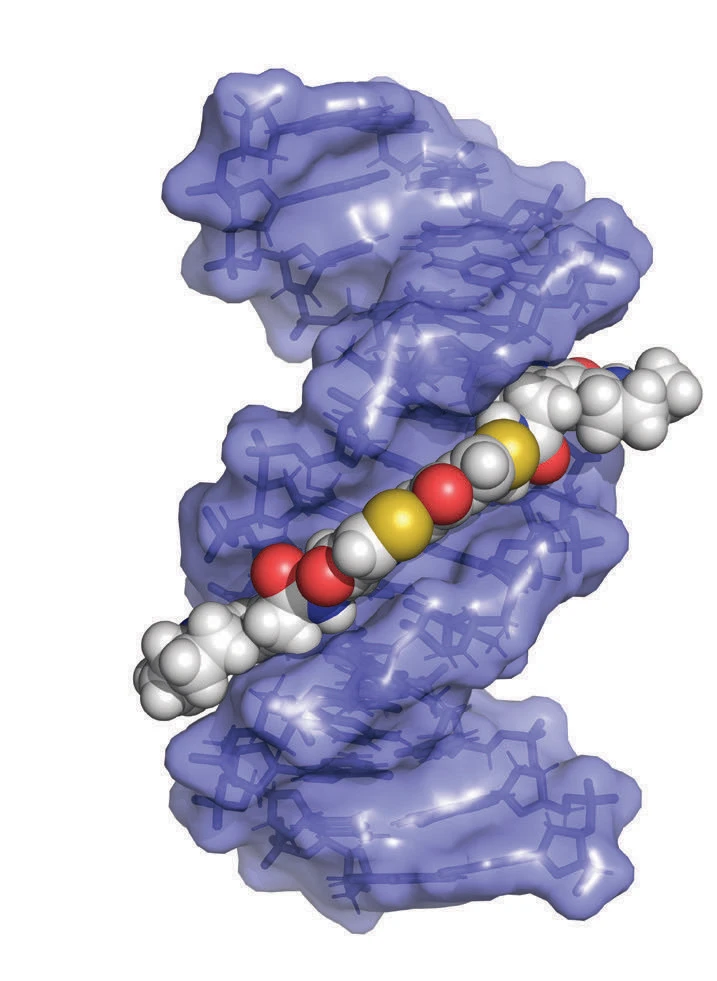
How a Gut Toxin Warps DNA
Researchers led by Cabot professor of chemistry Emily Balskus have discovered why patients exposed to gut bacteria that produce a toxin called colibactin can develop cancer-linked mutations. Colibactin, which is generated by several species of bacteria (including some strains of E. coli) when triggered by environmental factors including diet, binds to DNA regions rich in the bases adenine and thymine, where it forms rare but dangerous “cross-links” that tie the two strands of DNA together—a powerful example of how the gut microbiome can influence health.