Gone Missing

On June 18, 1903, on the occasion of Frederick Thayer's twenty-fifth reunion, his teammates presented him with the "first catcher's mask ever...

On June 18, 1903, on the occasion of Frederick Thayer's twenty-fifth reunion, his teammates presented him with the "first catcher's mask ever used in baseball," silvered for the occasion by the Boston firm of Bigelow, Kennard Co. The mask eventually came into the possession of the Harvard Varsity Club, where it reposed for many years in a display case in the club's reading room.

The mask appeared in the exhibit Athletics for All as part of Harvard's 350th anniversary celebration in 1986, according to Warren Little '55, curator in the department of athletics. But in the Varsity Club's two moves since then the mask has been lost. Although Little hopes the mask has merely been misplaced, he fears it may be "decorating some bar in Boston." If so, it is a very expensive wall ornament: Keith Vari of Leland's Sports Auction House, the country's leading sports memorabilia auctioneers, estimates the mask would bring $10,000 to $15,000 at auction.    
Most popular

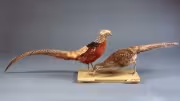
Lafayette’s Unexpected Gift to George Washington: Pheasants

The two birds will be on display at Harvard this summer.

Harvard Weathers a Year of Turmoil

The federal government has launched unprecedented actions against the University. Here’s a guide.

How Philosophy at Harvard Saved Itself

As humanities shrink across higher education, one department is flourishing. Is its success a fluke, or a roadmap?

Explore More From Current Issue

A smiling man in a brown plaid suit stands outdoors with greenery in the background.

The professor and former Harvard College dean is the next president of Harvard Magazine’s Board of Directors

Panoramic view of Harvard University with autumn foliage and a river under a cloudy sky.

The University is expanding industry ties and investing its own funds to support research, but neither will replace lost federal dollars.

Colorful illustration of a split-level house showing various activities in different rooms.

Can the College do more to prepare students for the real world?